Show summary Hide summary
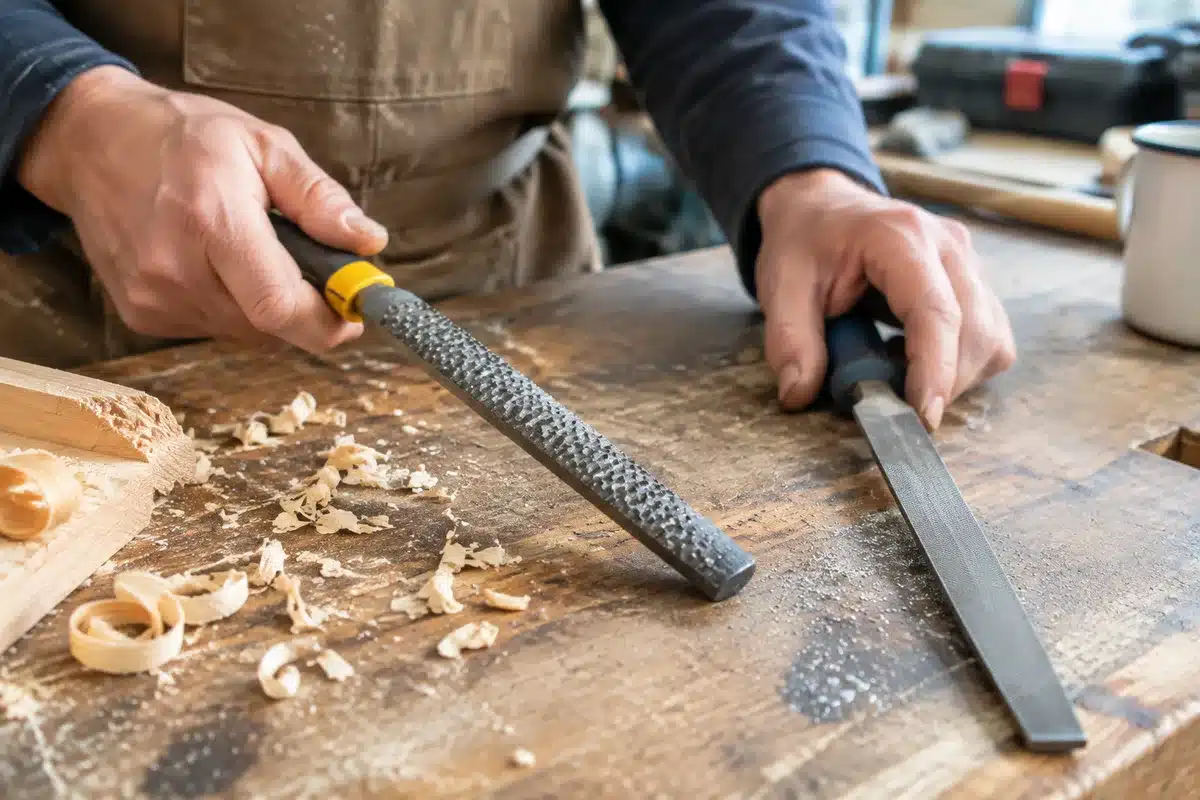
Woodworkers and metalworkers have argued about rasps and files for generations. At first glance the tools look the same: long, slim, with a handle and a roughened surface. But beneath that similarity lie distinct designs and specific uses. Knowing the difference saves time, protects tools, and improves results.
Why rasps and metal files are often confused
Large clothespins hack: transform them into unique home decor
Porch lights: dollar tree DIY turns boring string lights into instant curb appeal
Both tools share a common ancestry. Craftsmen in ancient Egypt used early forms of rasps and files to shape wood and bronze. Today, the two still resemble one another enough to cause mistakes in the shop.
- They are used with the same motion: typically pushing the tool across the workpiece.
- Both have teeth cut into a steel body to remove material.
- They come in similar silhouettes: flat, round, half-round, and triangular.
Because of these overlaps, it’s easy to assume rasps and mill files are interchangeable. In practice, misuse damages the tool or the workpiece.
Mill files: what makes a metalworking file special
Mill files are engineered to work metal. Their teeth are fine, closely spaced, and often ground in either a single- or double-cut pattern. The result is controlled removal and a relatively smooth finish.

Common shapes and uses of mill files
- Flat: general-purpose metal shaping and smoothing.
- Half-round: blends flat surfaces and curves.
- Round: enlarges or refines circular holes and curved grooves.
- Triangular and square: reaches into corners and cleans slots.
Cut grades and what they mean
Files are graded by how aggressively they cut. While regional names vary, a typical progression from coarse to fine is:
- Rough
- Coarse
- Bastard (or middle cut)
- Second cut
- Smooth
- Dead smooth
Higher-grade (finer) files remove less material per stroke and give a neater finish. Many mill files are forged from high-carbon steel for durability and consistent performance.
Some files feature a safe edge — a smooth side with no teeth. That edge prevents accidental damage to adjacent surfaces while filing.
Rasps: how they differ and when to use them
Rasps are purpose-built for wood and similar materials. Their teeth are large, coarse, and punched into the body rather than finely filed. The spacing between teeth is greater and less regular.
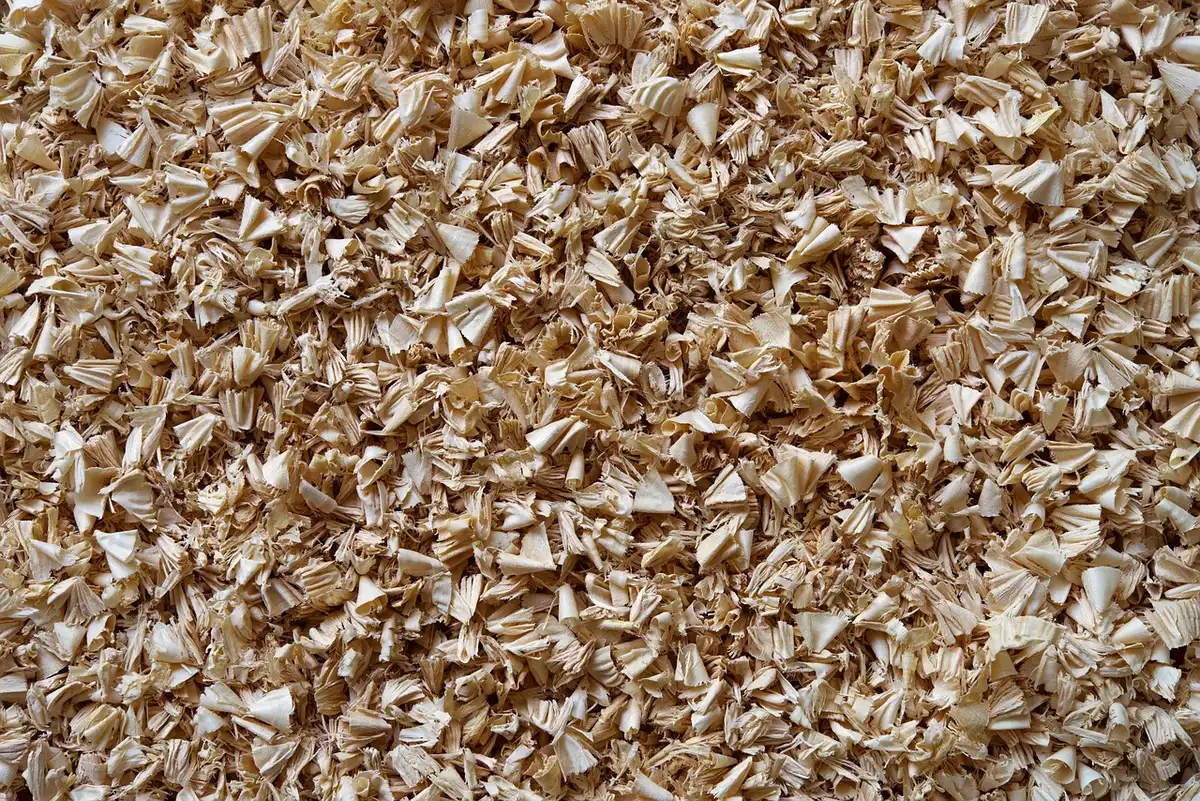
Those big, aggressive teeth let rasps cut wood quickly and resist clogging by leaving space for shavings. But the same design makes rasps unsuitable for metal.
Rasp types and woodworking roles
- Flat rasp: fast stock removal on flat faces.
- Half-round rasp: shapes both flat and curved sections.
- Round rasp: refines concave curves and hollows.
- Triangular rasp: fits into tight corners and angles.
- Four-in-hand rasp: four cutting faces with varying coarseness for versatile shaping.
Rasps often come in two broad grades: coarse (bastard) and fine (second cut or smooth). Coarse rasps remove large amounts of wood rapidly. Finer rasps leave a cleaner surface and prepare work for sanding or finer tools.
Practical tips: using and maintaining both tools
Correct technique and care keep files and rasps working well for years.
- Use the right tool for the material. Do not use a rasp on steel. The rasp will dull or deform, and the metal will be badly cut.
- A mill file can sometimes be used on wood for light smoothing. Expect the small teeth to clog quickly with wood dust.
- Files and rasps cut on the push stroke. Lift on the return to avoid dulling the teeth.
- Keep a file card or wire brush handy. Regularly clean teeth to remove debris and prolong sharpness.
- Store tools dry and away from corrosive chemicals. Occasional oiling prevents rust on steel files.
- A handle protects your hand and improves control. Always fit a proper handle to the tang.
Choosing the right tool for a job
Match the tool to the task to speed work and reduce frustration.
- Rapid stock removal on wood: choose a coarse rasp.
- Shaping curves before sanding: use half-round rasps or round files as needed.
- Smoothing metal edges or sharpening blades: reach for mill files of appropriate grade.
- Delicate metal finishing: select finer file grades, like smooth or dead smooth.
Knowing the tool’s intended material and tooth pattern is the simplest way to avoid costly mistakes. With proper selection and care, both rasps and mill files remain indispensable in workshops for shaping, fitting, and finishing work.