Show summary Hide summary
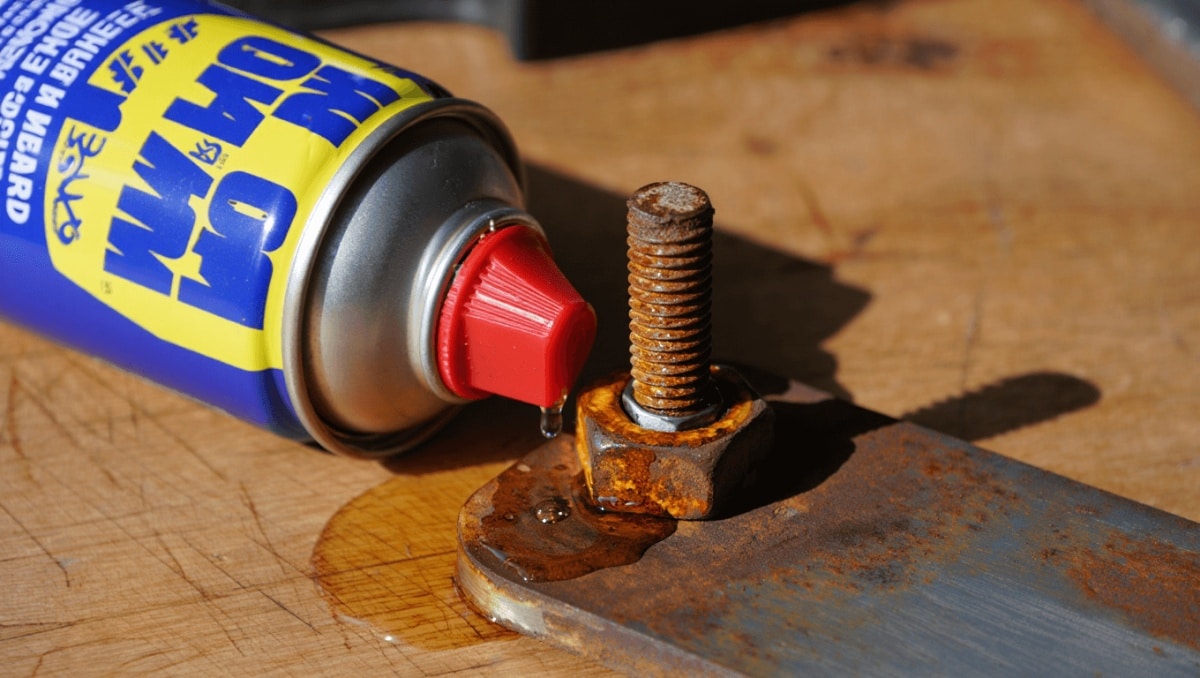
A stuck, corroded bolt can turn a quick fix into a day-long struggle. Fortunately, a familiar household spray can often break the grip of rust and get projects moving again. Read on for practical guidance on which formula works best and a clear, safe method to free stubborn bolts.
Why WD-40 often beats rusted fasteners
Many homeowners keep a can of WD-40 in the garage for a reason. The product was originally developed to displace water and protect metal. Over time the company expanded its line to include products designed for specific tasks.
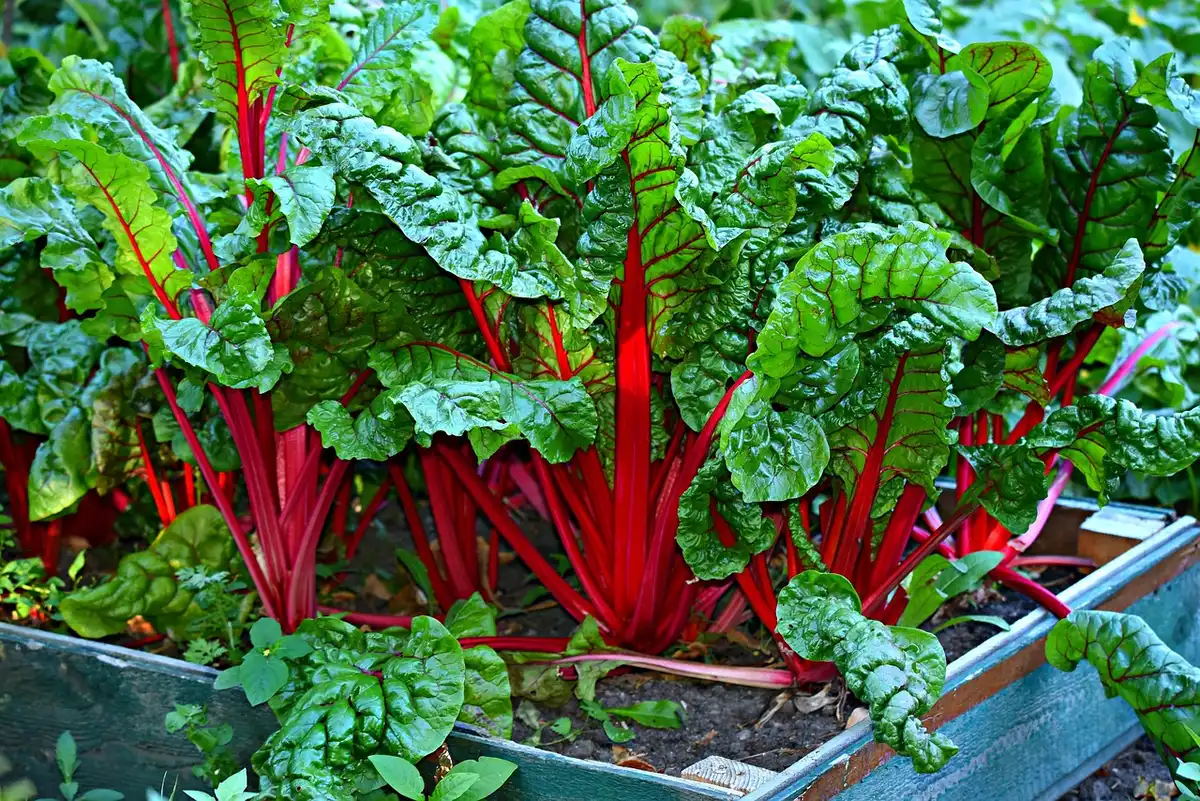
Bookshelf turned into stunning functional flower bed by gardener
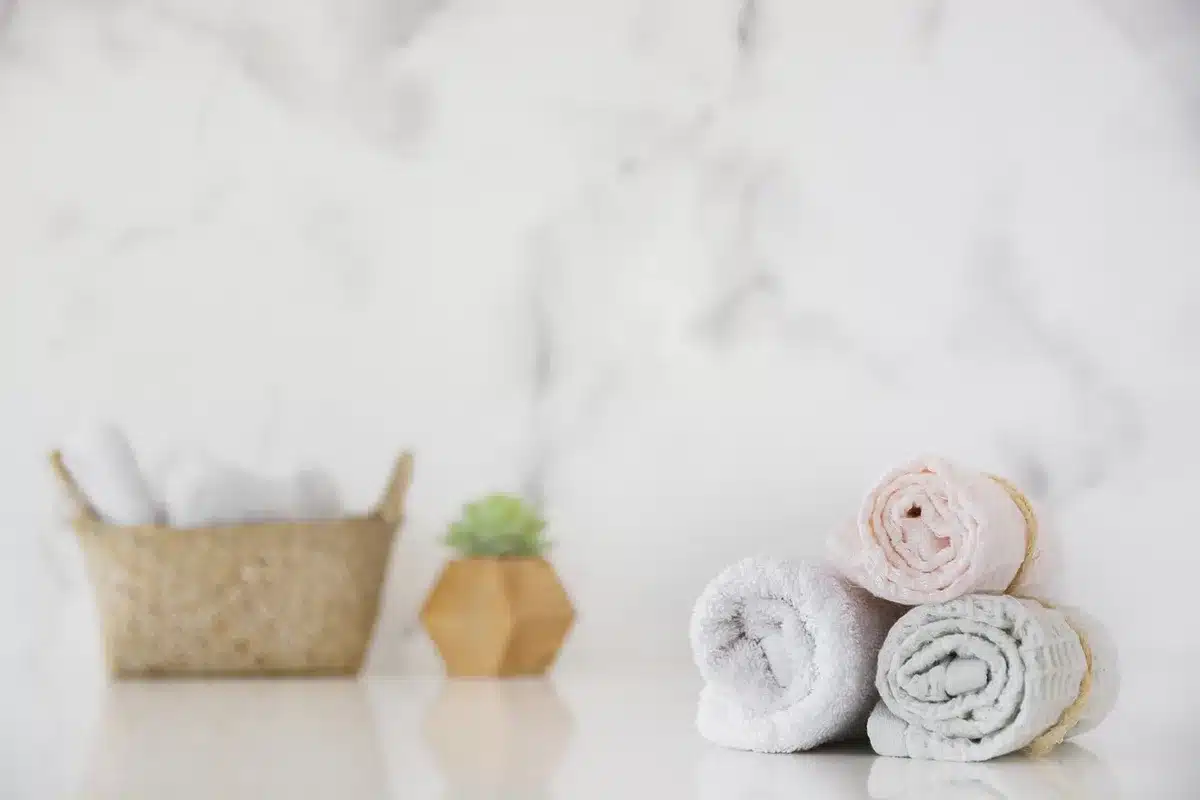
Towel bar replacement: transform your bathroom into a spa with this modern swap
WD-40 Specialist Penetrant is formulated to seep into tight threads and dissolve the bonds that rust creates. Its thin, capillary action helps it move far down into the nut-and-bolt interface. The classic WD-40 Multi-Use formula can still help, but it typically takes longer to reach the core of the problem.
Buying a penetrant is inexpensive compared with the time you save on repairs. If you already have a can at home, it’s likely the fastest solution for frozen hardware.
Choose the right spray for loosening bolts
- Specialist Penetrant: Best choice for seized hardware. Designed to penetrate threads quickly.
- Original Multi-Use: Good for general rust prevention and light freeing jobs. Works slower on heavy corrosion.
- Alternatives: Other penetrating oils can work too, but read labels and use in a ventilated area.
Step-by-step: How to free a rusty bolt safely
Follow these actions in order. Keep tools steady and wear eye protection.
- Clear loose debris. Use a wire brush to remove flaking rust and old grime. This helps the penetrant reach threads.
- Spray generously. Coat the nut and bolt junction. If you have a straw applicator, aim directly at the thread gap.
- Wait at least 15 minutes. Longer soak time improves results. If possible, let the penetrant sit for several hours or overnight.
- Tap the bolt head. Gently strike with a hammer to shock and loosen rust bonds. This helps the oil move deeper.
- Attempt removal. Use the correct-size wrench or socket and apply steady force. If it does not budge, respray and wait again.
- Repeat as needed. Multiple applications often free a stubborn bolt without damaging parts.
Tools that improve success
- Wire brush — removes surface corrosion.
- Proper wrench or socket — prevents rounding the head.
- Hammer — for light tapping to break rust adhesion.
- Penetrant with straw — directs spray into tight spaces.
Aftercare and rust prevention for threaded parts
Once the bolt is free, take steps to protect it and the surrounding hardware.
- Clean the threads. Wipe off old rust and residue with cloth and a little penetrant.
- Apply a rust inhibitor or a light coating of oil to new or cleaned bolts.
- Replace badly corroded hardware. If the threads are damaged, fit new fasteners.
- Store spare bolts and tools in a dry place to prevent future corrosion.
Quick safety and practical notes
- Work in a ventilated area and avoid sparks when using aerosol products.
- Do not combine chemicals unless the product label permits it.
- If a bolt is essential to structural safety, consider professional help before forcing removal.