Show summary Hide summary
- Know your grass before you buy products: cool, warm, or in-between
- September plan for cool-season lawns: feed, seed, and fight weeds
- September approach for warm-season lawns: prepare for dormancy
- Practical timing, product tips, and safety guidance for September
- A simple, actionable September checklist for healthier turf
September marks a quiet turning point for lawns. Days shorten and temperatures cool, and what you apply now can determine how well your grass weathers winter and bounces back in spring. Whether you want a thicker carpet of green or a lawn that survives dormancy with minimal damage, the right combination of fertilizer, weed control, and seed in September will pay off.
Know your grass before you buy products: cool, warm, or in-between
Organize storage cart with empty egg cartons: ditch bulky bins
Old glass jars turned into DIY sewing kits: ingenious upcyclers show how
Start by identifying your turf type. This choice changes the timing and product recommendations for September lawn care.
- Cool-season grass: Common in northern states. Includes Kentucky bluegrass, perennial ryegrass, and fescues. These grasses rebound and grow best in fall.
- Warm-season grass: Typical in the South. Includes Bermuda, zoysia, and bahiagrass. These species peak in summer and begin slowing in fall.
- Transition zone: Middle U.S. regions can support both types. Local microclimate and lawn history will guide your choices.
Knowing the type of grass helps you choose the proper fertilizer, decide whether to overseed, and pick the right herbicide strategy.
September plan for cool-season lawns: feed, seed, and fight weeds
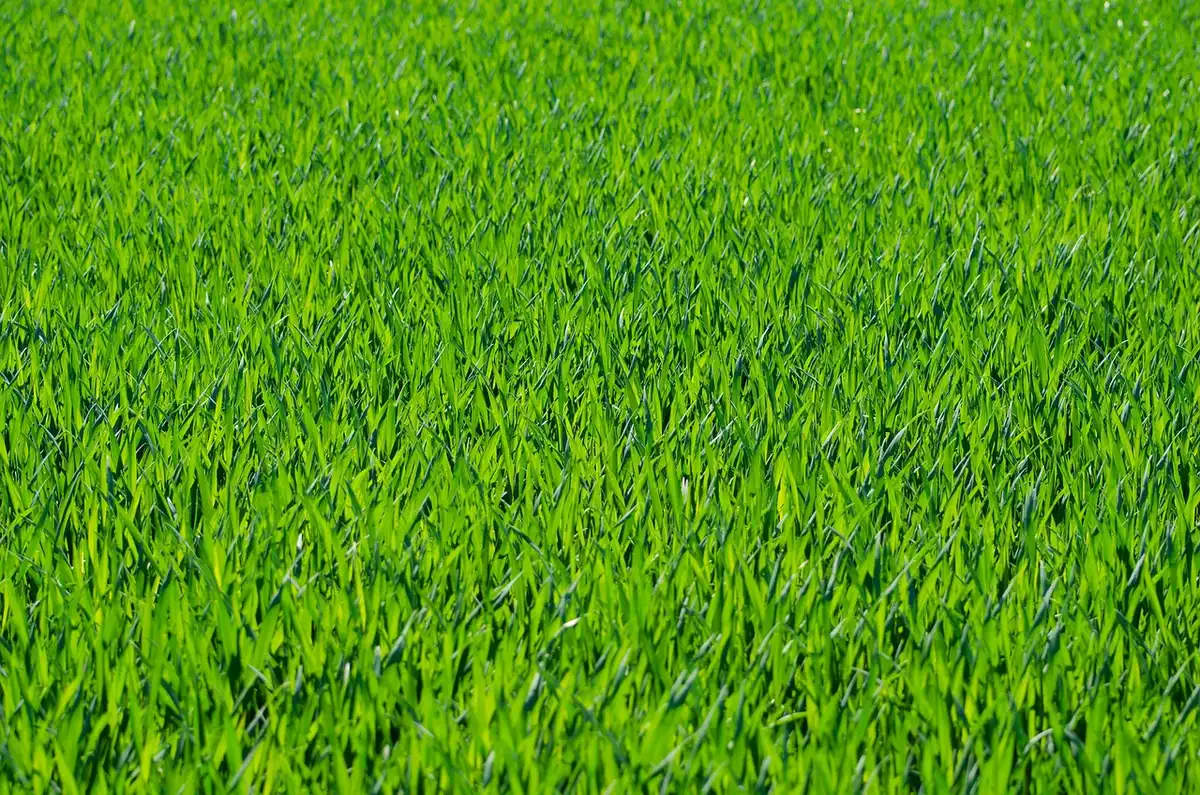
Cool-season grasses thrive when temperatures drop. September is prime time to jump-start recovery after summer stress.
Fertilize strategically
Apply a slow-release fertilizer in early fall to supply steady nutrients. A soil test helps you match the product to needs. A common guideline is about 1 pound of nitrogen per 1,000 square feet per application, unless your soil test suggests otherwise.

Overseed to fill thin areas
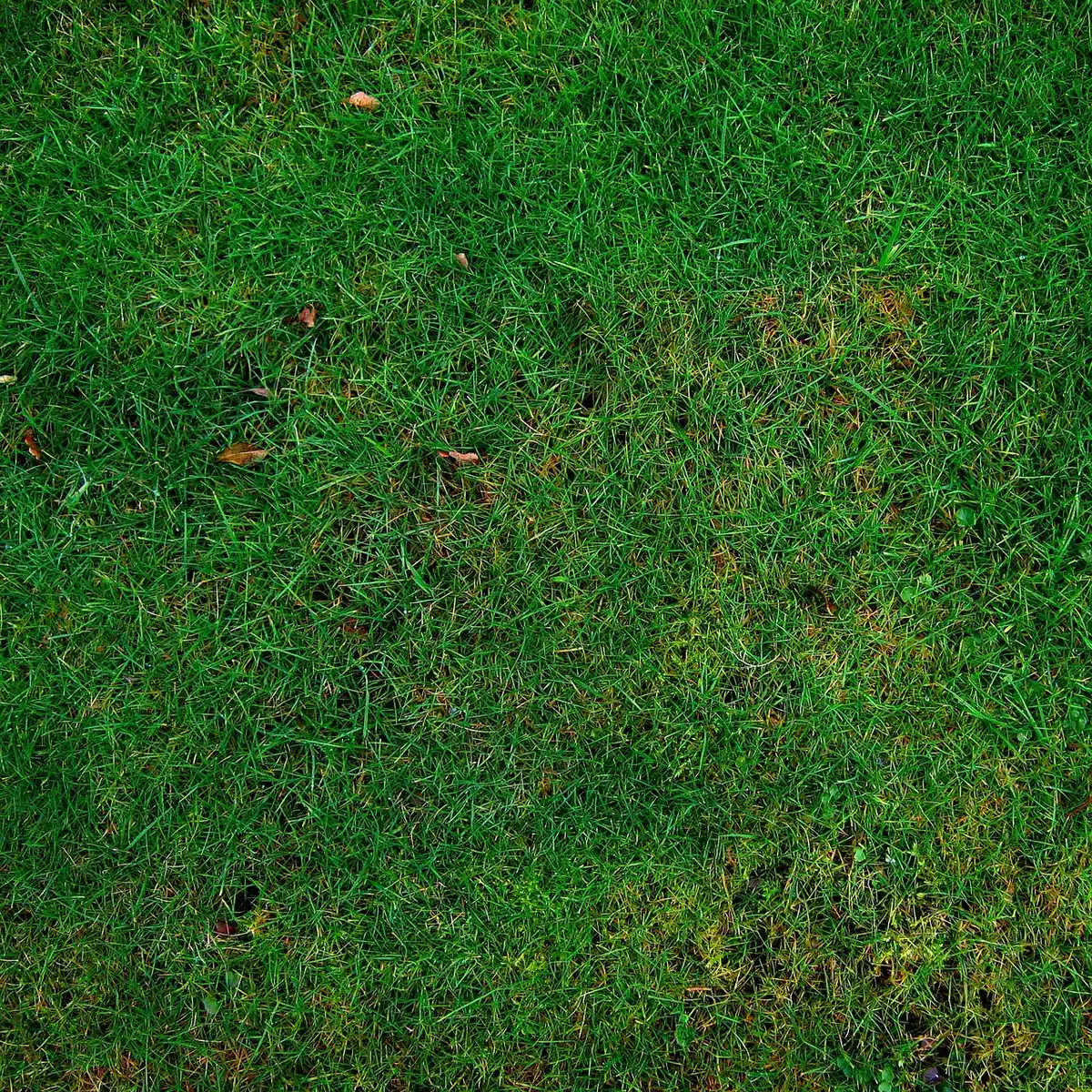
Early fall is ideal for overseeding cool-season lawns. Seed germinates best when soil temps are in the 60–75°F range. Focus on bare and worn patches for quicker results.
Control weeds safely
Use selective post-emergent herbicides to remove existing weeds. Read label directions carefully for timing and temperature windows. Avoid applying herbicide right before seeding. Some products can stop seed germination for weeks.
- Wait the label-specified interval between herbicide use and seeding.
- When in doubt, overseed first in small test areas.
- Spot-treat stubborn weeds rather than blanket-spraying when possible.
September approach for warm-season lawns: prepare for dormancy
Warm-season turf is slowing down by September. The goals shift from vigorous growth to strengthening roots and reducing winter stress.
Choose your fertilizer carefully
Limit nitrogen as temperatures fall. Opt for a winterizing fertilizer higher in potassium and lower in nitrogen. This helps roots harden without encouraging late top growth.
Use herbicides with timing in mind
Both pre-emergent and post-emergent herbicides can be applied, but heed product directions. A pre-emergent prevents next season’s weeds from establishing over the dormant months. Do not overseed after applying some pre-emergents.
Delay overseeding until spring
Warm-season grasses generally do not respond well to fall overseeding. Plan seeding for late spring or early summer when soil and air temperatures favor growth.
Practical timing, product tips, and safety guidance for September
Small choices in timing and application make a big difference in results.
- Soil test first — pH and nutrient levels guide fertilizer choice and can prevent wasted applications.
- Follow label rates — rates and timing vary by product and climate.
- Watch weather — apply fertilizers and herbicides during calm, dry weather to reduce drift and runoff.
- Water correctly — new seed and newly fertilized lawns need consistent moisture to activate nutrients and support germination.
- Stagger treatments — leave the recommended interval between herbicide use and overseeding.
- Protect pollinators — avoid broad applications of insecticides and follow label precautions for bees.
A simple, actionable September checklist for healthier turf
- Identify your grass type and consult local extension guidance.
- Run a soil test if you haven’t in the last three years.
- Apply a slow-release fertilizer suited to your grass and soil.
- Spot-treat or apply selective herbicide for existing weeds.
- Overseed cool-season lawns in early fall; delay warm-season seeding until spring.
- Keep new seed consistently moist until established.
- Record what you apply and when, for next season’s planning.