Show summary Hide summary
If your lawn keeps turning brown despite seeding, fertilizing, and weeding, the missing link might be how much water it actually gets. A tiny, low-cost trick using an empty tuna can turns household waste into a practical rain gauge and sprinkler meter. It’s quick to set up, eco-friendly, and helps you water with purpose.
Why measuring sprinkler output matters for a healthy lawn
Organize storage cart with empty egg cartons: ditch bulky bins
Old glass jars turned into DIY sewing kits: ingenious upcyclers show how
Watering too much or too little both harm turf. Overwatering can drown roots and encourage disease. Underwatering stresses grass and halts growth.
Most lawns need about 1 to 1.5 inches of water per week. Knowing how much your sprinklers deliver lets you match that target. It also helps you time irrigation after applying fertilizers or treatments.
Turn a tuna can into a simple water gauge
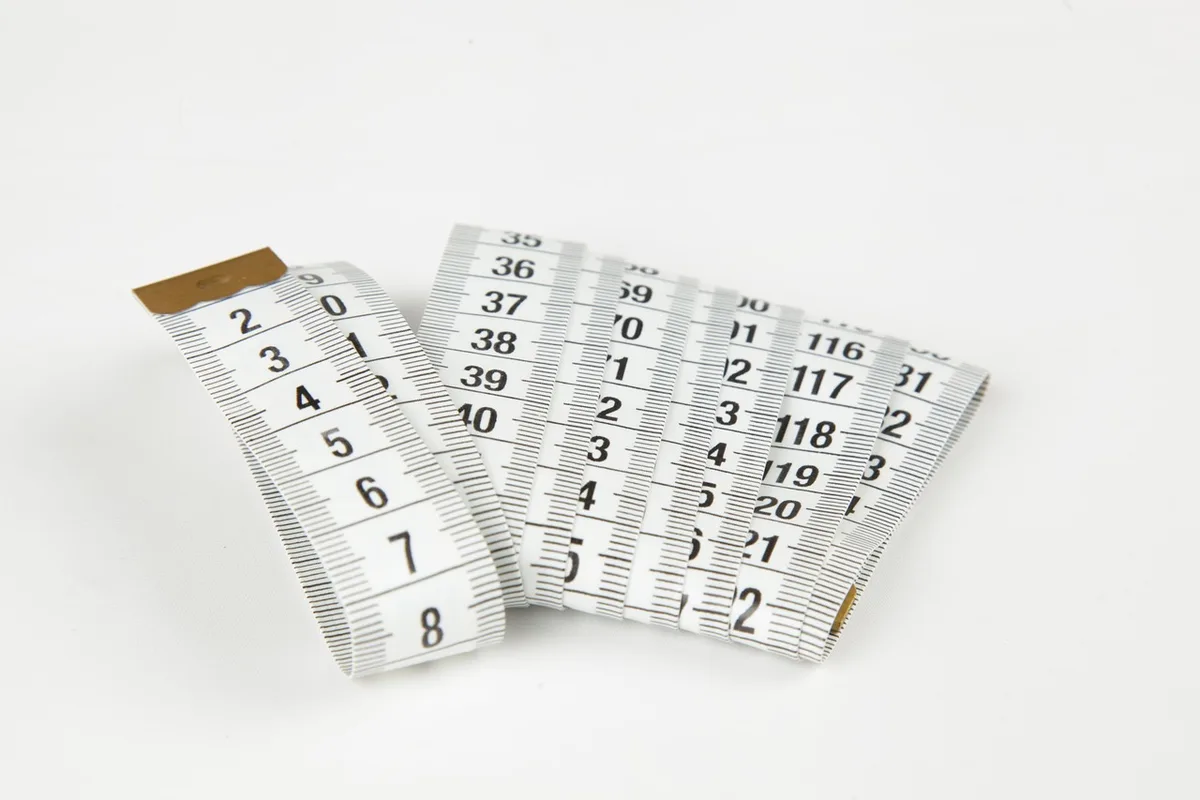
You only need a few common tools: an empty can, a waterproof marker, and a tape measure or ruler. Soup, cat food, or other small cans work too.
- Measure the inside height of the can.
- Mark a small line half an inch from the bottom with the waterproof marker.
- Place cans upright on the lawn or garden before running sprinklers or before a rain event.
This creates a visible reference so you can see when a set depth of water collects.
Where to place cans for accurate sprinkler readings
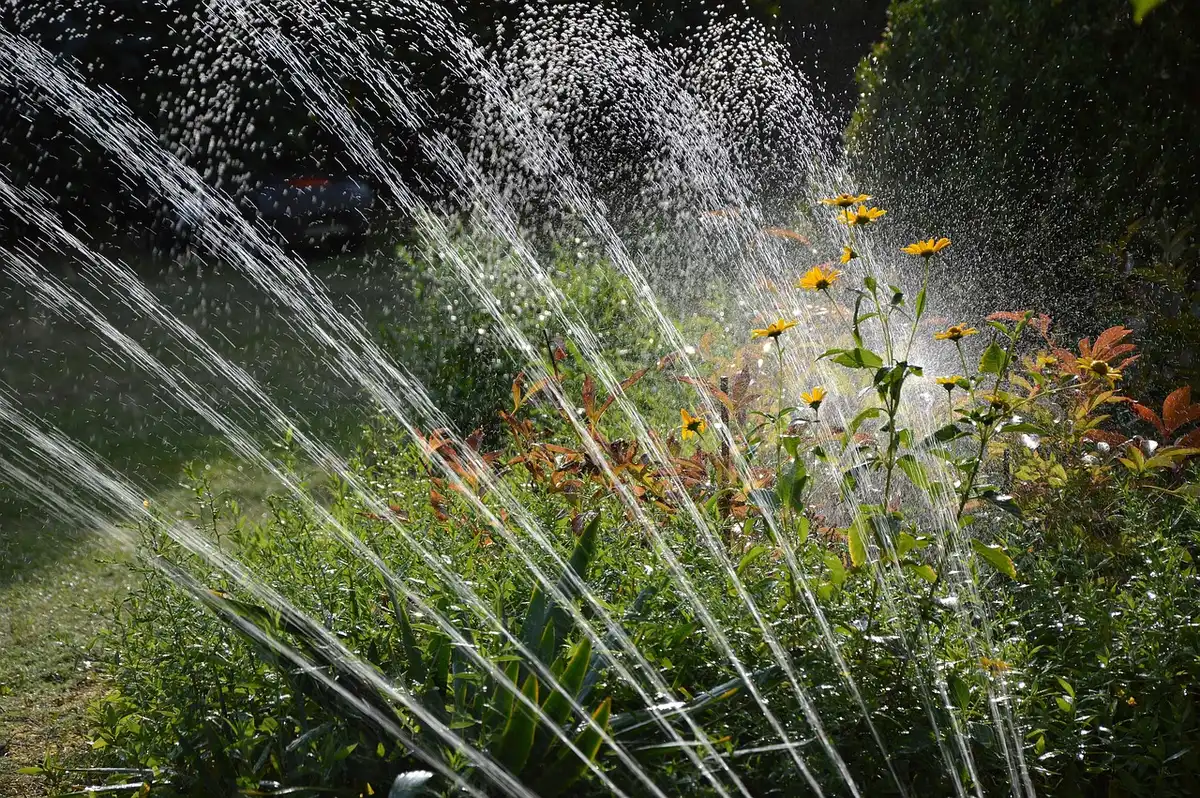
Sprinkler coverage is rarely uniform. To get a true picture, spread several cans across the irrigated area.
- Put one can near the sprinkler head.
- Place another at the spray’s outer reach.
- Scatter additional cans in areas with different exposure or slope.
Collecting readings from multiple spots reveals dry or overwatered zones. That helps you decide if heads need adjusting.
How to time checks and calculate watering rates
Check cans at regular intervals while your system runs. Fifteen-minute checks offer fine-grained results. Thirty-minute checks also work.
- Record the average depth across all cans after 15 minutes.
- Multiply that depth by 4 to estimate hourly output.
- Use the hourly rate to determine how long to run sprinklers to reach weekly needs.
For example, if cans collect 0.25 inch in 15 minutes, the sprinkler rate is about 1 inch per hour.
Using the method to measure rainfall
Set the same cans out before a forecast storm. The collected depth equals actual rainfall at your location. It’s a handy, low-tech rain gauge.
Practical tips and common uses for the tuna-can method
- Seeding and establishing sod: Verify you are delivering enough water without overdoing it.
- After fertilizing: Ensure products are watered in properly for best results.
- Irrigation troubleshooting: Find weak zones, uneven spray, or misaligned heads.
- Garden beds: Use cans to confirm vegetables and flowers get adequate moisture.
Universities and extension services often recommend similar catch-can tests. The approach is widely accepted and easy to replicate.
Low-cost upgrades and alternatives
If you want more precision, buy a purpose-built rain gauge or a clear container with marked graduations. But for many homeowners, the tuna-can method is fast and reliable.
- Use a level surface so readings are consistent.
- Keep cans upright and free from debris.
- Label cans if you test multiple zones at once.