
Show summary Hide summary
- Make your yard uninviting: remove hiding places snakes love
- Seal the house: block the entry points snakes can squeeze through
- Eliminate food and water sources to discourage visits
- How to respond if you spot a snake: safe, legal steps
- When to hire a pro and what to expect from wildlife experts
- Small routine habits that make a big difference
Snakes rarely seek out people. They look for food, shelter, and water. Remove those comforts and your yard suddenly becomes far less appealing. This practical guide walks through easy, humane steps you can take today to discourage snakes from lingering near your home — without pricey repellents or drastic landscaping overhauls.
Make your yard uninviting: remove hiding places snakes love
Michaels holiday finds under $25: 20 new gifts that look like $50
Target wall-mounted find frees up countertop space: timeless style for small kitchens
Snakes gravitate toward cool, concealed spots. Tidy yards deny them those retreats. Start by targeting typical hangouts — tall grass, stacked lumber, and overgrown garden beds.

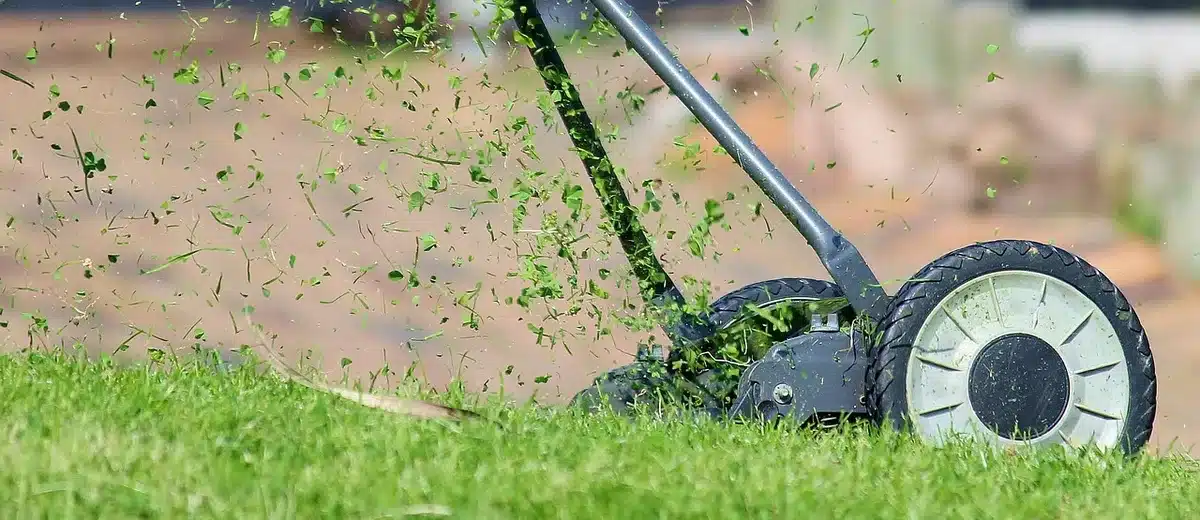
- Keep grass trimmed short and edges neat.
- Clear piles of leaves, brush, and garden waste promptly.
- Store firewood at least 18 inches off the ground and away from the house.
- Remove loose stone, unused building materials, and dense ground cover.
Where mice thrive, snakes will follow. Look for burrows or evidence of rodents and address those first. Reducing rodent habitat makes your yard a less attractive hunting ground.
Seal the house: block the entry points snakes can squeeze through
Snakes can enter homes through surprisingly small openings. A few simple fixes can keep them out of crawl spaces, sheds, and basements.

- Inspect foundation walls and repair cracks or gaps.
- Fit door sweeps on external doors and seal gaps under garage doors.
- Screen vents, gaps around pipes, and weep holes with hardware cloth or metal mesh.
- Repair loose bricks, pavers, and mortar that create crawl spaces near the foundation.
Use durable materials like concrete patch, silicone caulk for small holes, and galvanized mesh for vents. Sealing access points is a long-term, low-cost defense.
Eliminate food and water sources to discourage visits
Snakes visit yards to feed and hydrate. Intervene by removing easy meals and standing water.
- Keep compost bins sealed and turn them regularly to avoid attracting rodents.
- Store pet food indoors and bring water bowls in overnight.
- Fix irrigation leaks and eliminate low spots where water pools.
- Manage bird feeders; spilled seed draws rodents, which in turn attract snakes.
Consider humane rodent control where needed. Reducing prey and moisture removes key incentives for snakes to hang around.
How to respond if you spot a snake: safe, legal steps
Spotting a snake can be alarming. Follow calm, measured actions to protect yourself and the animal.
- Keep a safe distance and observe to identify its location and behavior.
- Avoid handling or cornering the snake. Most will move on if not threatened.
- If you need it to leave, a steady stream from a garden hose can encourage departure.
- Do not use poisons or attempt to kill a snake. This can be dangerous and illegal.
If you think a snake is venomous, call a licensed wildlife professional. Many services will remove and relocate snakes safely. Also check your state and local laws — some species are protected.
When to hire a pro and what to expect from wildlife experts
Professionals can safely remove or relocate snakes, advise on proofing your home, and help identify species from shed skins.
- Contact a licensed wildlife removal service for venomous or persistent intruders.
- Ask about humane capture methods and whether the animal will be released away from your property.
- Request a site inspection to identify attractants and weak points around your home.
- Keep records of removed animals if local rules require reporting or permit relocation.
Legal rules vary by state. Some snakes are protected and cannot be harmed or moved without permission. A professional will know the regulations and proper protocols.
Small routine habits that make a big difference
Regular maintenance prevents problems before they start. A few simple habits protect your home and family over time.
- Do a monthly perimeter check for new gaps, debris, or water pooling.
- Keep garden beds tidy and prune shrubs so the area near your foundation is open and sunlit.
- Rotate and inspect stored items like lumber, pots, and outdoor gear.
- Maintain trash and recycling bins with tight lids to reduce pest attraction.
Consistent, low-effort upkeep is often more effective than quick fixes or chemical repellents. It lowers the chance of encounters without harming wildlife.










