Show summary Hide summary
A simple farm supply trough can become a cozy, off-grid hot tub with a little know-how and a wood fire. DIYers are repurposing stock tanks to soak through chilly nights, using a copper coil and natural circulation to heat the water without electricity.
Why a stock tank makes sense for a DIY hot tub
Stock tank hot tub: smart DIYers build an off-grid soaking tub
Bookshelf turned into stunning functional flower bed by gardener
Stock tanks are affordable, sturdy, and come in sizes that suit couples or small groups. They were never meant for bathing, but their dimensions are often perfect for soaking. Adding heat changes the game.
- Cost-effective: A tank costs far less than a traditional hot tub.
- Simple setup: Few parts are needed beyond the tank and a heat source.
- Portable and durable: Metal and heavy-duty plastic options tolerate outdoor use.
How the wood-fired copper coil heater works
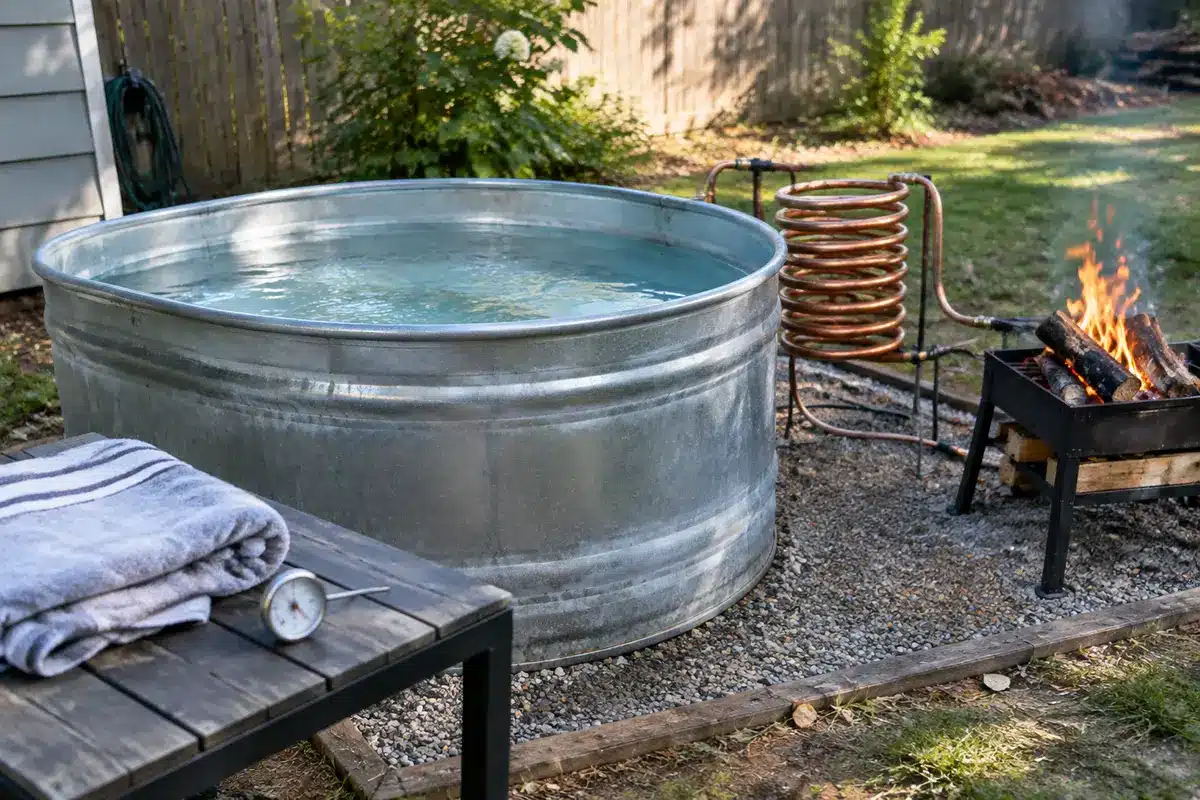
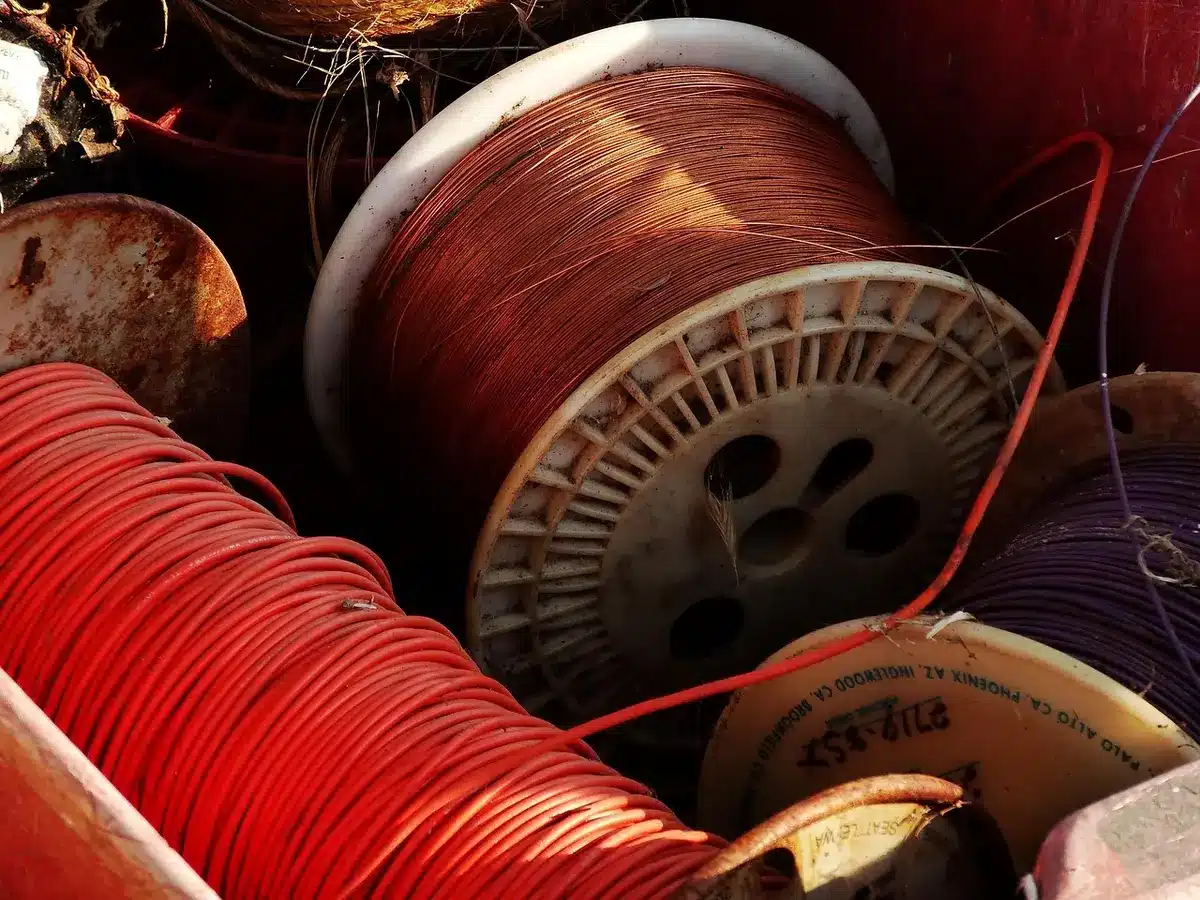
The system uses a spiral of copper tubing placed over or around a fire. Water inside the coil warms and moves by convection. Warmer water rises into the tank while cooler water is drawn through the coil. No pump is required.
Key components
- Copper tubing, roughly 5/8″ diameter for efficient heat transfer.
- Plastic tubing and couplers to link the coil to the tank.
- A grate or frame to hold the coil and wood in place.
- A thermometer to monitor water temps.
Basic assembly steps
- Level the ground and position the tank.
- Form the copper into a coil large enough to hold wood inside.
- Connect coil ends to the tank with plastic tubing and secure fittings.
- Fill the tank, ensuring the coil is full of water before lighting the fire.
- Light the wood and monitor rise in temperature.
Safety precautions every builder must follow
Heating water with an open fire has risks. You cannot finely control a flame like a gas heater. That makes vigilance essential.
- Always use a reliable thermometer. Check temps often to avoid scalding.
- Keep a bucket of water or extinguisher nearby to control the fire quickly.
- Do not let children or pets near the fire or hot surfaces unsupervised.
- Use heat-resistant fittings where copper meets plastic to reduce failure risk.
If the tank overheats, the safest response is to extinguish the fire and let the water cool naturally.
Keeping the water clean without a pump
Most stock-tank builds skip filtration. That means chores and precautions to prevent algae and pests.
- Install a drain spigot to make periodic water changes simple.
- Cover the tub when unused to limit debris and mosquito access.
- Do not add mosquito dunks directly to tub water. Use them only in nearby standing water.
- Consider occasional chemical treatment or a portable filter if you want longer intervals between changes.
Which tank material holds heat best?
Galvanized steel tanks are classic, but they transfer heat away quickly. Structural foam models retain warmth longer and resist rust.
- Galvanized steel: Tough and inexpensive, but poor insulation.
- Structural foam (e.g., large Rubbermaid tanks): Better at holding heat and rust-proof.
Insulating the ground under the tank or surrounding the exterior with removable insulation can also improve heat retention.
Common problems DIYers report and how to avoid them
Even successful builds have recurring issues. Anticipating them saves time and frustration.
- Uneven heating—level the tank and position the coil symmetrically.
- Plastic connector failure—use heat-rated tubing and inspect fittings after each use.
- Mosquitoes and algae—cover the tub and refresh water regularly.
- Scald risk—set a safe maximum temperature and enforce it.