Show summary Hide summary
- What separates cinder blocks from cement and concrete blocks
- When cinder blocks make sense: lightweight, temporary, or decorative work
- When to choose cement or concrete blocks for strength and durability
- How to tell which block you have: quick checks for homeowners
- Pros and cons: side-by-side considerations for your project
- Practical tips for choosing and working with blocks
Picking the right masonry block can decide whether a project lasts decades or needs repairs in a few years. Many homeowners and DIYers use the terms “cinder block” and “cement block” interchangeably. Yet their composition, strength, and ideal uses differ. Read on to learn how these materials perform, how to tell them apart, and which one fits your build or garden project.
What separates cinder blocks from cement and concrete blocks
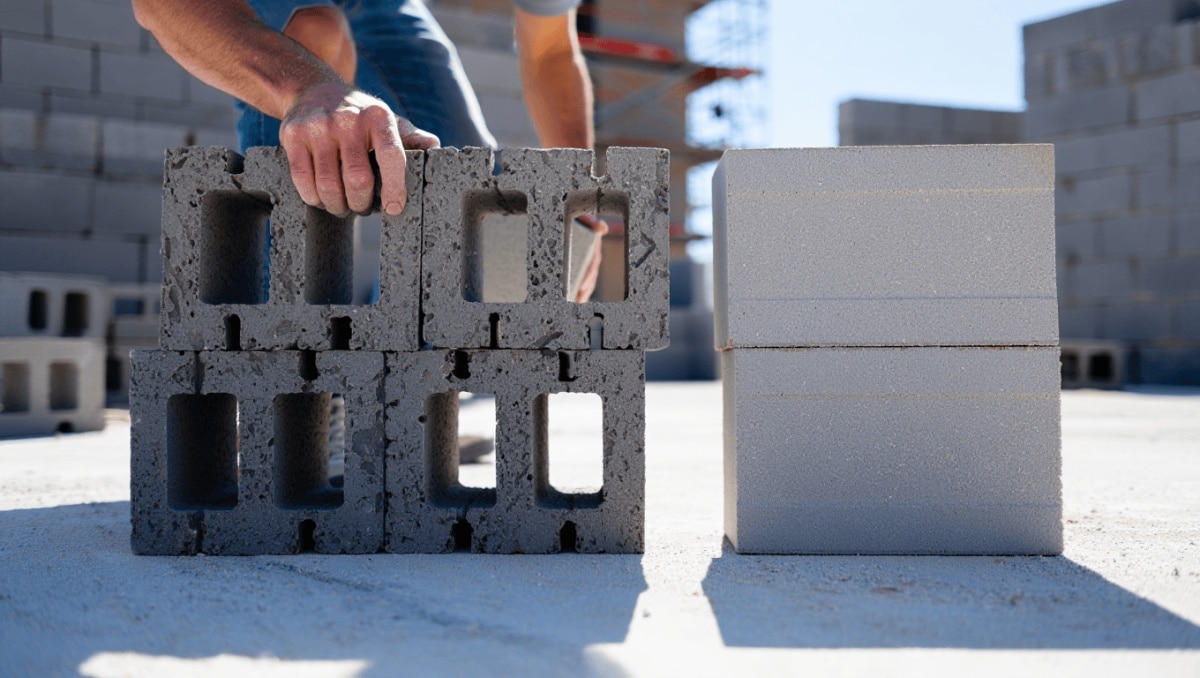
At the heart of the difference is what fills the mix. Cinder blocks use lighter, ash-like byproducts. Concrete or cement blocks use dense aggregates like gravel and crushed stone mixed with Portland cement.
Ryobi vacuum under $60: top-rated, surprisingly powerful deal
Oil stains gone: kitchen staple keeps driveway spotless
- Weight and density: Cinder blocks are noticeably lighter and more porous.
- Strength: Concrete blocks deliver higher compressive strength for structural use.
- Moisture resistance: Dense concrete units resist water and freeze-thaw damage better.
Contractors swapped cinder blocks for concrete units during the 20th century because of performance gaps. For modern foundations and load-bearing walls, concrete masonry units (CMUs) dominate building codes and construction practice.
When cinder blocks make sense: lightweight, temporary, or decorative work
Cinder blocks still appear in homes and yards where weight and cost matter more than longevity. Their lighter feel makes them easier to move and stack for small tasks.
Common uses for cinder blocks
- Short garden or decorative walls that won’t carry heavy loads.
- Raised planter beds — cores can be used as plant pockets.
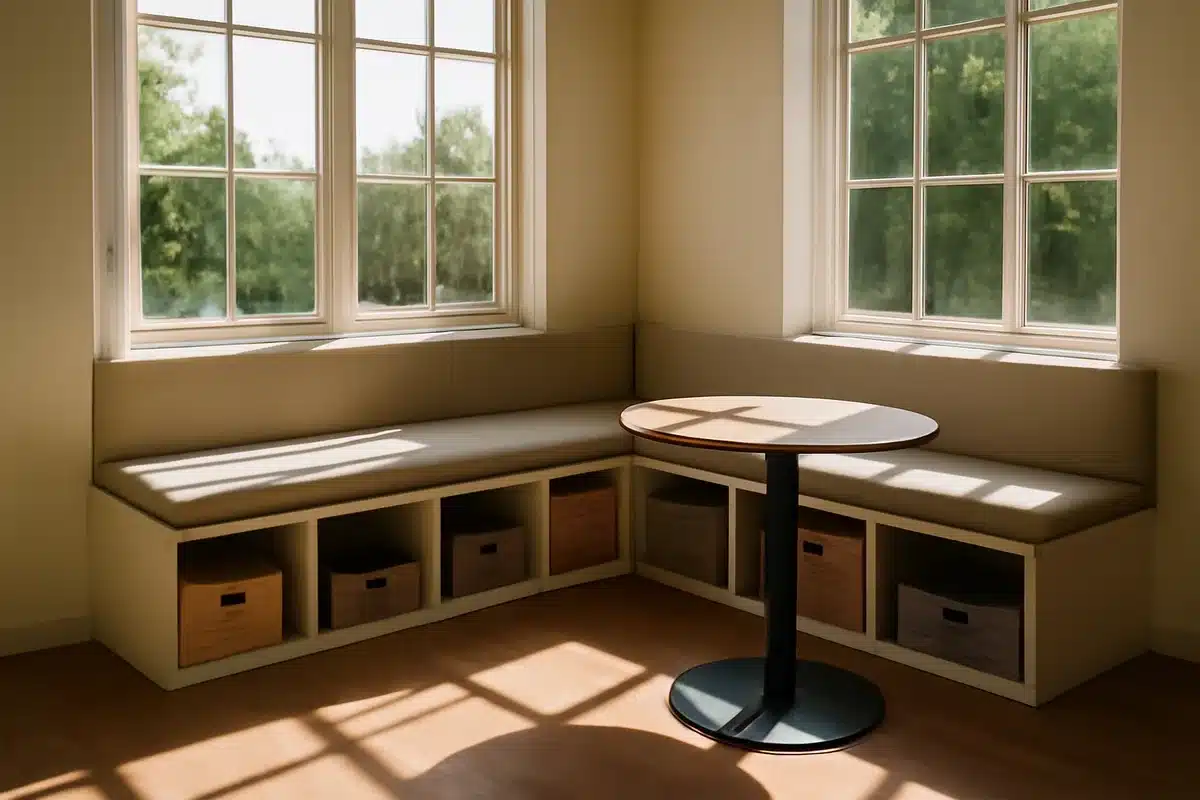
- Temporary furniture, like a seasonal bench or a backyard bar.
- Short-lived utility shelving in sheds or garages.
Important: Avoid cinder blocks for any application that needs structural capacity, weather resistance, or below-grade performance. They are porous and break down faster in wet climates.
When to choose cement or concrete blocks for strength and durability
Concrete blocks are the go-to choice when safety, code compliance, and durability matter. They are dense, heavy, and capable of handling compression and lateral loads.
Projects that require concrete masonry units
- Foundations and stem walls where bearing capacity is critical.
- Load-bearing interior and exterior walls.
- Retaining walls that must resist soil and water pressure.
- Permanent exterior structures like garage bases, steps, and patios.
For these applications, builders often reinforce and grout block cores with rebar. That combination prevents failure from soil pressure, moisture, and repeated freeze-thaw cycles.
How to tell which block you have: quick checks for homeowners
If a block looks similar to another, a few hands-on tests make the difference clear.
- Pick it up. Cinder blocks feel lighter and less dense.
- Tap the surface. Cinder blocks sound more chalky; concrete sounds solid.
- Inspect the aggregate. Cinder blocks may show ash-like particles. Concrete shows gravel or crushed stone.
- Consider the use. If it was sold for foundations or retaining walls, it’s likely a concrete masonry unit.
When in doubt, ask the supplier for the block’s compressive strength or mix spec. Those numbers determine suitability for structural work.
Pros and cons: side-by-side considerations for your project
- Cinder blocks — pros: lighter, easier to handle, often cheaper for small builds.
- Cinder blocks — cons: lower strength, porous, not suited to wet or load-bearing conditions.
- Concrete blocks — pros: high strength, weather resistant, code-compliant for foundations.
- Concrete blocks — cons: heavier, harder to move, slightly higher material cost.
Practical tips for choosing and working with blocks
Match the material to the job, not the price. For any structural or below-grade element, choose concrete blocks and follow local codes. Reinforcement and grouting make a big difference in longevity.
- Use concrete blocks for load-bearing walls and below-grade construction.
- Reserve cinder blocks for non-structural, temporary, or decorative tasks.
- Seal or coat exposed blockwork in rainy climates to slow moisture damage.
- When building retaining walls, design for drainage and use reinforcement.
If you live in a moist or cold region, favor concrete masonry units for anything permanent. They cost more upfront but avoid expensive repairs later.