Show summary Hide summary
- Why builders and DIYers choose cinder-block pools for backyard upgrades
- Materials and tools you’ll need for a DIY cinder-block pool
- Step-by-step guide: building the pool frame and walls
- Waterproofing, filtration, and plumbing tips
- Design ideas, safety and finishing touches
- Costs, effort and practical considerations before you begin
If a full in-ground pool feels out of reach, there’s a growing DIY trend that turns ordinary cinder blocks into sturdy, stylish backyard swimming spots. A creative couple documented an above-ground pool built from stacked concrete blocks, rebar, and a careful application of concrete and rubberized coating. The result is a long-lasting, customizable pool that costs a fraction of a conventional install.
Why builders and DIYers choose cinder-block pools for backyard upgrades
Ryobi vacuum under $60: top-rated, surprisingly powerful deal
Oil stains gone: kitchen staple keeps driveway spotless
Traditional pools often demand heavy excavation and large budgets. Using concrete blocks avoids much of that expense and complexity.
- Lower material costs: blocks and concrete are affordable.
- Flexible sizing: you can design shape, depth, and steps block by block.
- Durability: when reinforced and sealed properly, the structure lasts.
- Repurposing opportunity: use leftover blocks from other projects.
Many DIY builders report spending far less than a poured in-ground pool. The trade-off is more manual labor and some masonry skills.
Materials and tools you’ll need for a DIY cinder-block pool
Before starting, gather materials and tools to save time and avoid delays.
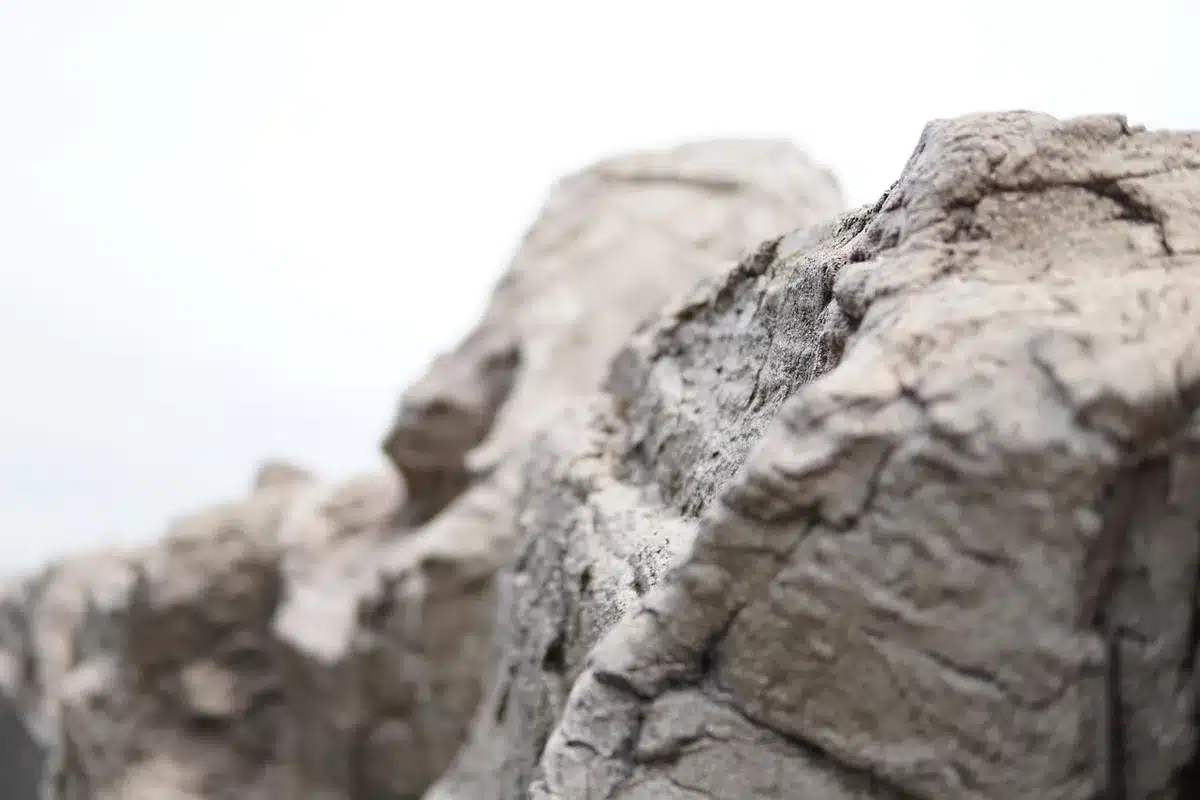
- Cinder blocks (hollow concrete masonry units)
- Rebar rods for vertical reinforcement
- Cement or concrete mix and sand for mortar or grout
- Concrete for the floor slab
- Chlorinated rubber paint or other pool-grade waterproof coating
- Pool pump, hoses, and basic filtration components
- Drill and masonry bits for pipe holes
- Wheelbarrow, trowel, level, and safety gear
Choose pool-grade sealants and coatings to make the interior water-tight and resist chlorine.
Step-by-step guide: building the pool frame and walls
Work in short stages. Measure and mark the footprint before laying the first row of blocks.

- Lay the perimeter: position a single course of blocks to form the outline.
- Orient the block voids upward for easier filling and reinforcement.
- Cut rebar to your desired wall height and set rods into the block cavities.
- Mix mortar or use a grout formula; fill block cores around rebar to lock bars in place.
- Pour a concrete slab inside the frame to create a durable floor.
- Stack additional courses of blocks, filling each core with concrete to form solid walls.
- Leave planned gaps or drill precise holes in top courses for pump piping and fittings.
Filling the block cores with concrete transforms hollow units into a monolithic wall. This step is essential for strength and longevity.
Waterproofing, filtration, and plumbing tips
Once the walls and floor cure, focus on making the basin water-tight and adding circulation.
- Skim and smooth the interior surface with a layer of concrete rendering.
- Apply several coats of chlorinated rubber paint or another pool-approved coating.
- Install a pump and filter. Mount the pump outside the pool, concealed if you prefer.
- Use intake and return lines sized to your pump and positioned through pre-planned ports.
- Test for leaks by partially filling the pool and checking all joints and fittings.
Proper sealing and a functioning pump are crucial for hygiene and wall protection.
Design ideas, safety and finishing touches
Customize your pool with steps, seating ledges, and surface finishes. Small upgrades boost comfort and appearance.
- Build integrated steps by leaving block spaces or forming internal ledges.
- Add a timber or composite deck around the perimeter for a polished look.
- Plant shrubs or install planters to soften the concrete aesthetic.
- Consider non-slip coatings on step surfaces for safety.
- Use a floating chlorine dispenser or install an automated chlorination system.
Even modest cosmetic additions can make a block-built pool feel like a permanent oasis.
Costs, effort and practical considerations before you begin
Concrete block pools can be budget-friendly, but costs vary by size, region, and finish choices.
- Factor in materials, pump and filter, coatings, and any deck or landscaping.
- Expect significant manual labor for mixing, lifting, and finishing work.
- Check local codes and permits; some areas regulate above-ground pools.
- If unsure, consult a structural or masonry professional for wall design and load concerns.
With planning and elbow grease, a cinder-block pool is a durable, customizable alternative.