Show summary Hide summary
If your garden leans toward soft curves, cottage planting, or a naturally layered look, the crisp line of brick or concrete might feel out of place. A simple, wood-based edging gives your beds a handcrafted, rustic frame without the time and fuss of laying pavers. This guide explains why log-style garden edging is a smart, low-effort alternative and how to choose and install it so your beds look finished and stay tidy.
Why log-style garden edging can beat pavers and bricks
Scrub Daddy sponges: keep them off your counter with this space-saving Amazon find
DIY garden edging: ditch pavers and bricks for an instant rustic upgrade
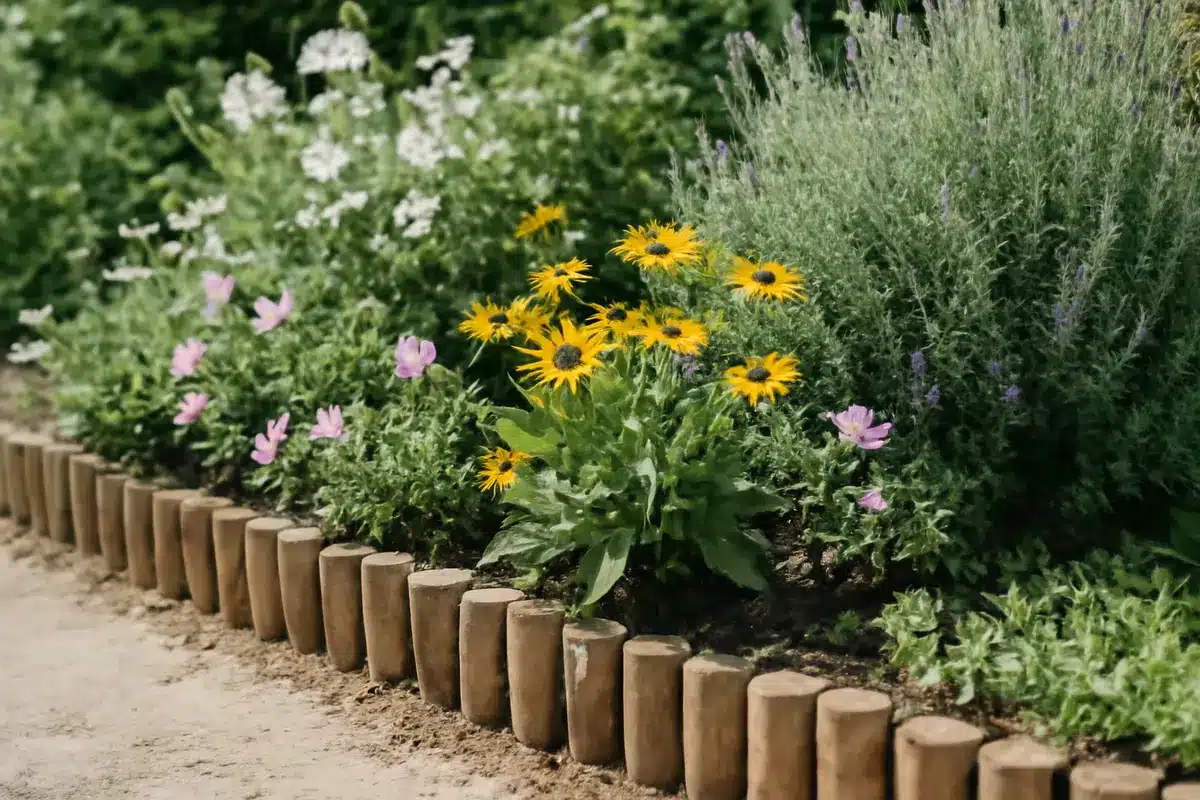
Bricks and pavers are durable and tidy. But they also read as formal. Log-style edging offers a contrasting aesthetic. Short sections of small-diameter wood, joined by wire or stakes, create a natural boundary that blends with plants and stone.
Key advantages:
- Faster installation — no leveling a sand base.
- Natural look — pairs well with informal, cottage, or forest-style planting.
- Low profile — clearly defines beds while keeping soil and mulch in place.
- Ready-made options — many products arrive preassembled for quick placement.
Styles and materials: choosing the right rustic edging
Log-style edging comes in a range of materials and finishes. Eucalyptus, bamboo, and other woods are common. Some products mimic short logs with varying tops for a casual feel. Others use uniform slices for a cleaner rustic look.
Consider these qualities when you shop:
- Diameter and height: Taller edging suits deeper beds and high mulch, while shorter profiles keep sightlines open.
- Finish and color: Natural, unstained wood integrates with planting schemes. Stained or treated pieces last longer.
- Flexibility: Rolls or linked sections follow curves more easily than rigid segments.
- Integrated anchors: Some products include stakes; others have flat bottoms and need extra securing.
Brands range from bundled log rolls to woven bamboo strips and individual wood posts. If you prefer reclaimed materials, a scrapwood border is an option, but prebuilt log rolls save time and effort.
Step-by-step: installing log roll garden edging
Installation is straightforward. You’ll need basic tools and a few helpers for longer runs. The goal is stability and a neat soil edge.
Tools and supplies you’ll need
- Garden spade or edging spade
- Rubber mallet
- Stakes, pegs, or rebar
- Zip ties or galvanized wire
- Level (optional)
- Work gloves
Installation steps
- Mark the desired edge with a hose or string to follow curves.
- Dig a shallow trench along that line. Aim to bury about one-third of the edging height.
- Place the first section, then backfill soil behind it to hold it upright.
- Add stakes or pegs into the ground directly behind the boards for extra support.
- Secure adjacent sections with wire, zip ties, or the product’s built-in fasteners.
- Check for gaps and adjust so the border sits snugly against the lawn or bed.
Tip: For curved beds, work slowly and bend each section to the contour. For extra longevity, select pressure-treated or rot-resistant wood.

How to keep your wooden edging stable and lasting longer
Wood will weather. You can accept that patina or take steps to extend life.
- Partially burying the edging reduces movement from mowing and foot traffic.
- Use stakes every few feet for long runs to prevent tipping.
- Treat or seal exposed ends to slow rot if desired.
- Inspect annually and tighten ties or add soil where the border has settled.
Pro tip: If you expect heavy wear, combine wood edging with hidden metal stakes or a narrow gravel trench behind the boards for drainage.
When log edging is the right choice for your landscape
Choose log-style edging if you want an inviting, low-key border that complements soft planting. It’s ideal for:
- Cottage, woodland, or meadow-style gardens.
- Curving beds where flexibility matters.
- Quick DIY projects with minimal heavy foundation work.
Log rolls and bamboo edging are widely available at garden centers and online. Many homeowners appreciate the instant charm they bring and how they help keep beds tidy during mowing and maintenance.