Show summary Hide summary
- Why choose a living border instead of gravel
- Scotch moss at a glance: what it is and why it works
- Practical planting tips for neat, lasting edges
- Light, water and zone considerations
- Container use and creative landscape ideas
- Watch for spread and consider native substitutes
- Maintenance notes and troubleshooting
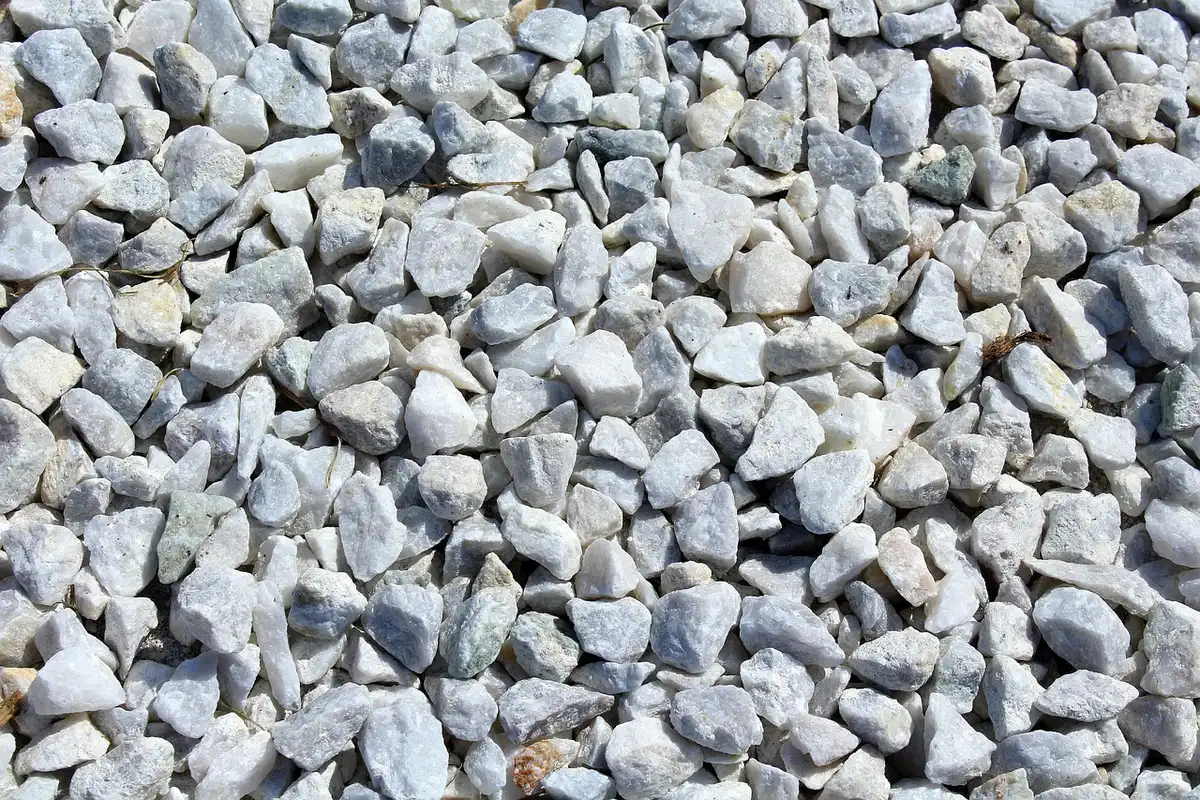
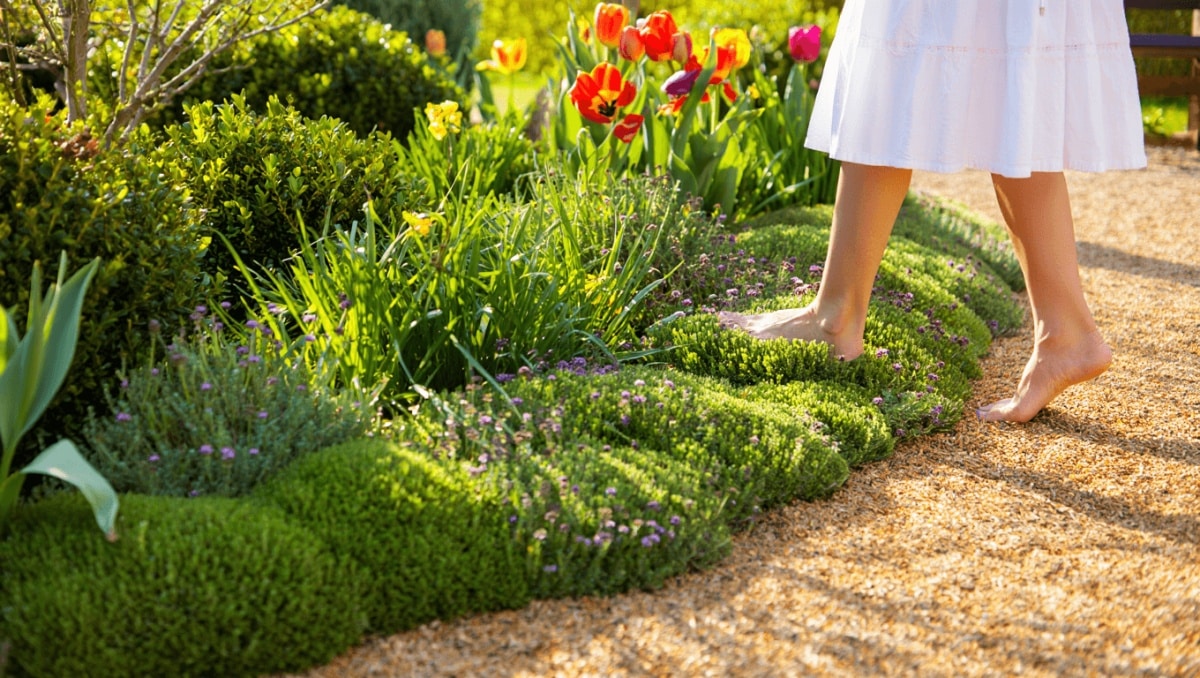
Gravel can feel practical, but it often falls short where comfort and curb appeal matter. If your yard needs a softer, greener edge that welcomes bare feet and frames beds with life, consider swapping rock for a cushiony ground cover. Scotch moss gives garden borders a lush, carpeted look and can turn a boring border into a focal point.
Why choose a living border instead of gravel
Gravel has benefits, like drainage and low initial cost. Yet it can be noisy underfoot and shift out of place. It also offers little in the way of color or texture. By contrast, a living edge:
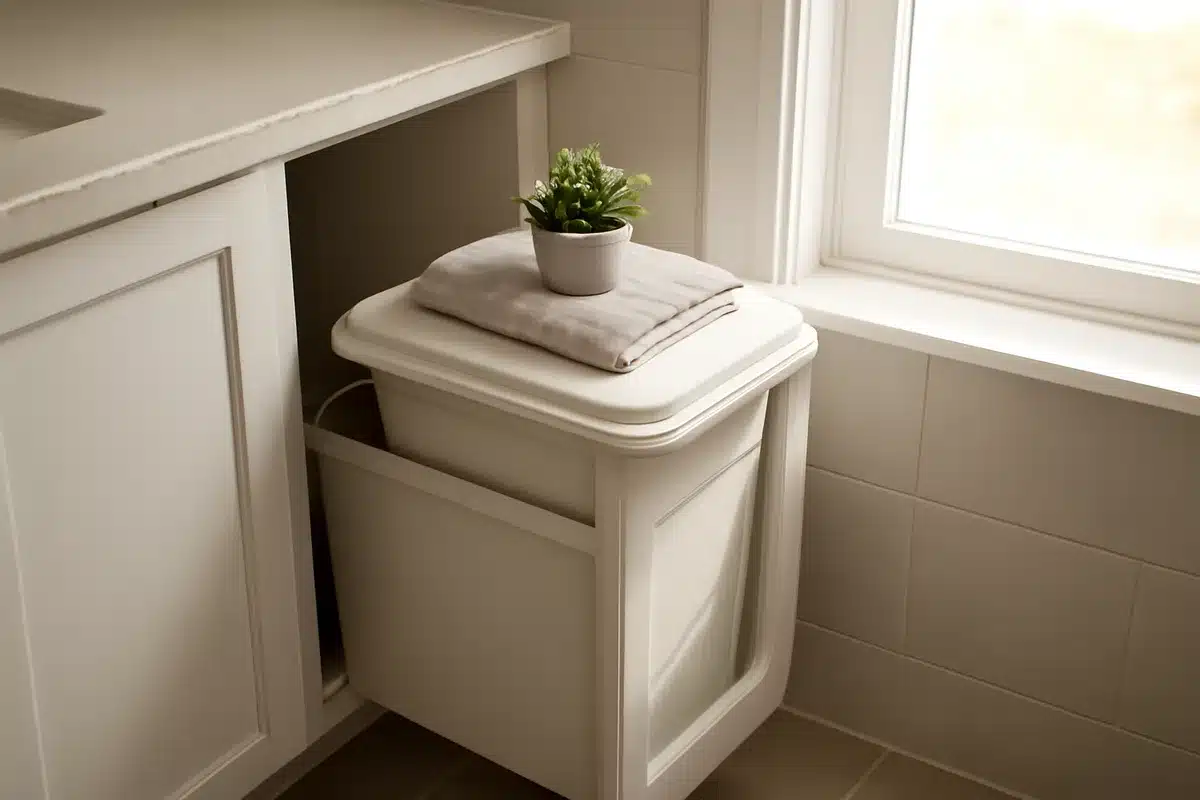
Scrub Daddy sponges: keep them off your counter with this space-saving Amazon find
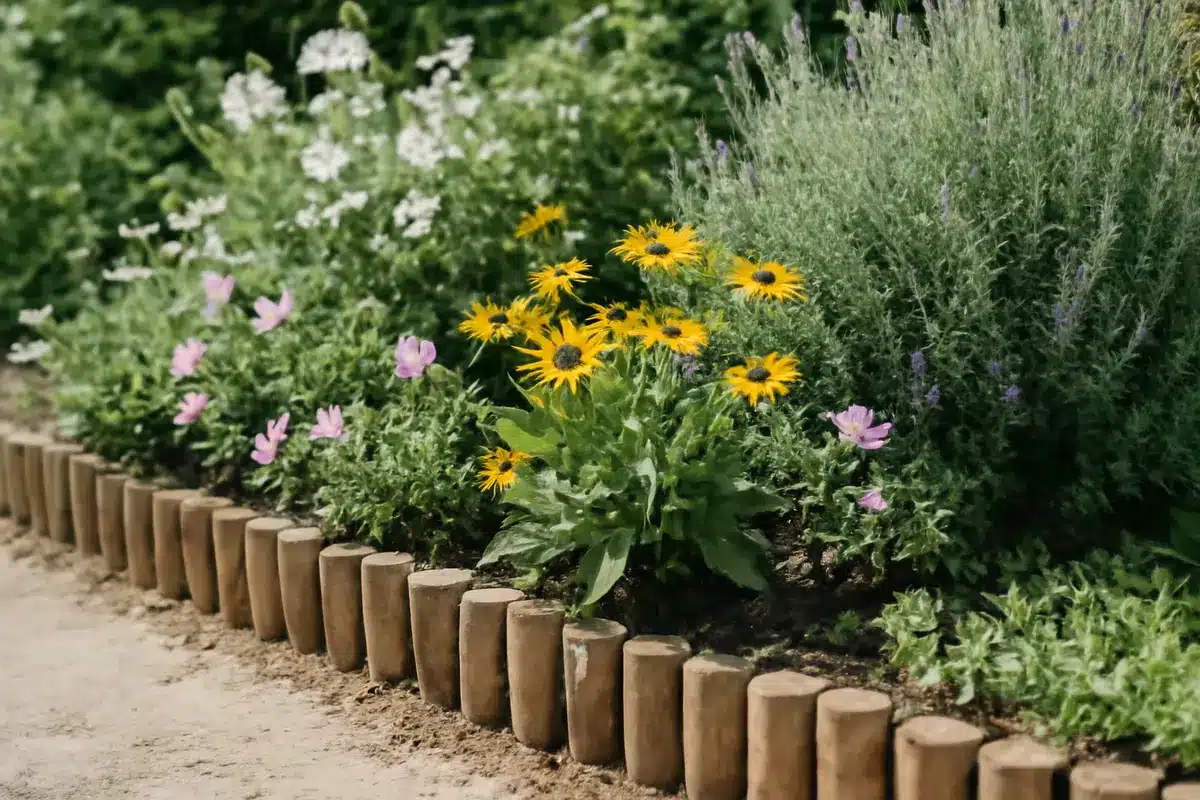
DIY garden edging: ditch pavers and bricks for an instant rustic upgrade
- softens paths and beds for barefoot walking
- adds seasonal interest with foliage and tiny blooms
- stays put, reducing the need for constant raking
- helps cool the soil and can attract pollinators
Swapping gravel for groundcover transforms function into an aesthetic asset.
Scotch moss at a glance: what it is and why it works
Scotch moss, botanical name Sagina subulata, is a low, mat-forming plant that resembles true moss. It produces small, starry white flowers in season and creates tidy, cushion-like patches. Popular choices include the classic green form and the golden-hued ‘Aurea’, which adds a warm tone beside darker foliage.
Its compact habit makes Scotch moss ideal for edging and filling gaps between stepping stones. It won’t block taller plants and keeps borders neat without heavy pruning.
Practical planting tips for neat, lasting edges
Planting Scotch moss is straightforward, but spacing and soil matter. Follow these simple steps:
- Prepare a well-draining, fertile bed free of large weeds.
- Place plants about 6 inches apart along the edge. They will spread to fill the line.
- Firm the soil gently around roots to ensure good contact.
- Water deeply after planting and keep soil evenly moist until established.
Avoid overcrowding at the start. Over time the mats will knit together, creating a seamless border.
Light, water and zone considerations
Scotch moss thrives in temperate climates but has limits. It is hardy roughly in USDA zones 4 through 8, which covers many regions but not all. It prefers full sun to partial shade. However, extremes can cause problems:
- Too much heat or drought may brown the foliage.
- Deep shade can make plants leggy and less attractive.
- Heavy, waterlogged soil will promote rot and discoloration.
In hotter locations, provide afternoon shade and extra watering during heat waves. Regular moisture without standing water is the goal.
Container use and creative landscape ideas
Scotch moss adapts well to containers and mixed planters. Use it as a soft rim around taller plants or as a filler between pavers. Design ideas include:
- lining a narrow bed beside a walkway for a living carpet effect
- planting trailing moss in shallow trough planters for rustic charm
- using ‘Aurea’ to lighten dark borders or complement purple foliage
Its moss-like texture pairs beautifully with stone, wood, and structured perennials. It’s especially useful in DIY container gardens where a delicate ground layer is desired.
Watch for spread and consider native substitutes
Scotch moss is not native to all regions. While it rarely becomes aggressive in many yards, some areas list it as potentially problematic. Before planting, check your state’s invasive species list. Keep an eye on expansion and trim edges if it begins to move beyond the intended border.
If you prefer native alternatives, consider local groundcovers with similar form and floral interest. For example, golden groundsel (Packera aurea) offers yellow blooms and spreads in a way that suits native-focused landscapes.
Maintenance notes and troubleshooting
Maintenance is low but not zero. Basic care includes:
- regular watering during dry spells
- light trimming to keep edges tidy
- improving drainage if patches turn brown
No heavy pruning is needed, but occasional scissors work to prevent unwanted spread and to refresh the appearance after summer stress.