Show summary Hide summary
- What are asphalt millings and why they matter for driveways
- Comparing RAP, gravel, concrete, and hot-mix asphalt
- Maintenance needs: what to expect with millings versus gravel
- Appearance and curb appeal: how millings look
- Installation basics and site preparation tips
- Pricing considerations and environmental impact
Replacing a driveway is a major home project with big costs and long-term consequences. Homeowners looking past concrete and loose gravel are increasingly choosing a recycled alternative called asphalt millings. It’s affordable, durable, and eco-conscious, offering a middle ground between bare stone and hot-mix asphalt.
What are asphalt millings and why they matter for driveways
Asphalt millings, also called reclaimed asphalt pavement (RAP), come from old roads and parking lots. Large grinders turn aged asphalt into small fragments. Those pieces are then mixed with a binder and laid down as a driveway surface.
Boost curb appeal: stylish driveway alternatives to replace gravel
Patio light takeover: Amazon’s modern find transforms your outdoor space
- Eco-friendly: RAP repurposes existing material and reduces the need for new bitumen.
- Cost-effective: Expect a lower price than hot-mix asphalt; many homeowners save roughly 20–50%.
- Practical: When compacted over a solid base, millings lock together and resist weather and plowing.
Comparing RAP, gravel, concrete, and hot-mix asphalt
Driveway materials vary by price, lifespan, and upkeep. Here’s how reclaimed asphalt stacks up.
Lifespan and durability
- Hot-mix asphalt: typically 15–25 years with proper care.
- Asphalt millings (RAP): generally last about 8–15 years before major resurfacing.
- Concrete: often the longest-lived but also the most expensive upfront.
- Gravel: can last indefinitely with frequent maintenance.
RAP offers a balance: it’s more durable than loose gravel in many conditions but not as long-lived as hot-mix or concrete.
Maintenance needs: what to expect with millings versus gravel
Maintenance for millings resembles gravel care, but there are differences to keep in mind.
- Annual checks for potholes and low spots are common to both surfaces.
- RAP often needs resealing every three to five years to extend life.
- Gravel will require regrading and periodic replenishment of stone.
- Weed control: properly installed surfaces are mostly weed-resistant, though RAP is not entirely weed-proof.
Both surfaces benefit from good compaction during installation. A well-compacted RAP driveway forms a tighter surface that sheds water and is easier to plow in winter.
Appearance and curb appeal: how millings look
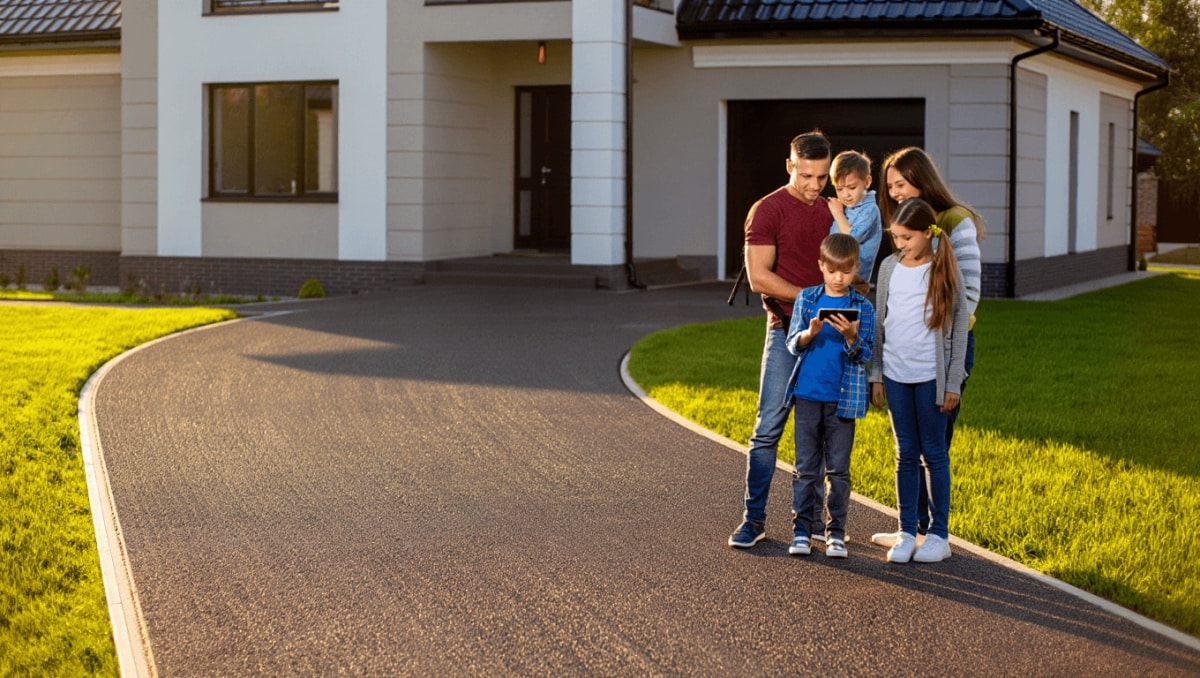
Asphalt millings create a textured, matte surface. It’s not the smooth, jet-black finish of new hot-mix asphalt. Instead, millings present a dustier, muted tone that many homeowners find attractive and natural-looking.
Gravel has its own visual character, with loose stones and more visible aggregate. Choosing between them often comes down to personal taste and the neighborhood aesthetic.
Installation basics and site preparation tips
Proper installation makes the difference between a short-lived patch and a long-lasting driveway.
- Prepare a firm base or use the existing driveway if stable.
- Spread millings evenly and compact in layers.
- Apply a binder or sealer when recommended to improve cohesion.
- Schedule periodic top-ups or spot repairs to avoid larger failures.
Pro tip: Millings work well over an existing surface, reducing demolition costs and waste hauling.
Pricing considerations and environmental impact
Cost comparisons vary by region, but reclaimed asphalt typically falls between gravel and hot-mix asphalt. Savings stem from recycling an existing material and lowering transport and production expenses.
- Lower embodied carbon than new asphalt or concrete.
- Reduced landfill and aggregate extraction needs.
- Potential for substantial upfront savings on labor and materials.
For eco-minded homeowners, the environmental benefits can be as persuasive as the price.