Show summary Hide summary
Sticky clumps of wet grass under a mower deck are a constant nuisance for homeowners. A quick kitchen hack often shared online is vegetable oil, but there’s a better, longer-lasting fix that also guards metal and paint. Using a nonabrasive car wax on the deck keeps clippings from adhering and helps prevent rust and wear.
Why car wax works better than vegetable oil for lawn mower decks
Mower deck hack: stop grass from sticking with this simple alternative to oil and WD-40
Art Deco bathroom trend: why people are ditching white tile
Vegetable oil can make the surface slick at first. But it attracts dirt, breaks down, and can gum up moving parts. Car wax, by contrast, forms a thin, water-resistant film. That film lets grass slide off instead of building a mat beneath the blades.
- Longer protection: Wax holds up through several mowing sessions.
- Rust resistance: A coated deck is less exposed to moisture and corrosion.
- Cleaner cuts: With less buildup, blades stay sharper and airflow improves.
Picking the right product for your mower deck
Not every automotive product is ideal for garden equipment. Choose a wax meant for paint that is gentle and nonabrasive. Paste waxes are often recommended for metal and plastic surfaces.
What to look for
- Nonabrasive paste or liquid designed for automotive finishes.
- No heavy solvents that could harm plastic guards or seals.
- Easy application with a rag or foam applicator.
Turtle Wax soft paste is commonly cited by DIYers and costs around ten dollars in many stores. It’s an example of an affordable car-wax option that performs well on a mower deck.
How to wax your mower deck: a clear, step-by-step method
Preparation matters. Start with a clean, dry deck to let the wax bond properly.
- Disconnect the spark plug to prevent accidental starts.
- Tip or secure the mower so you can access the underside safely.
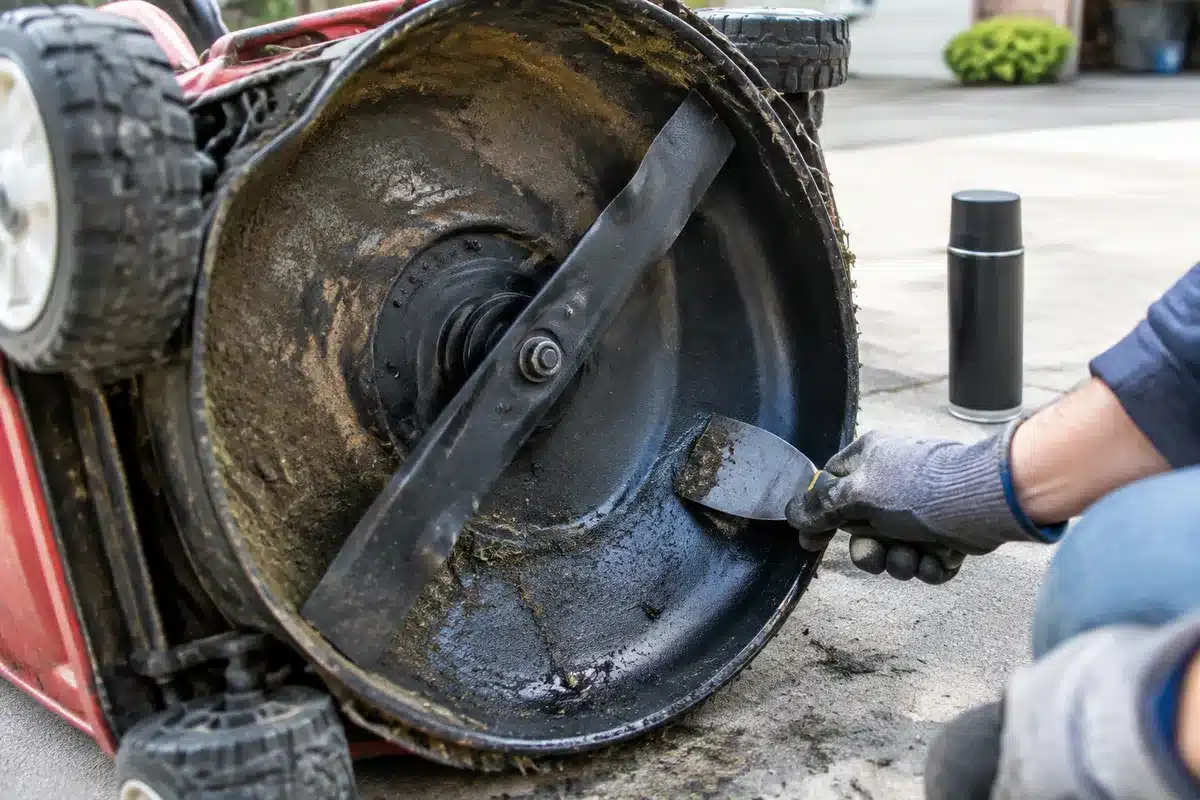
- Remove large clumps with a plastic scraper or brush.
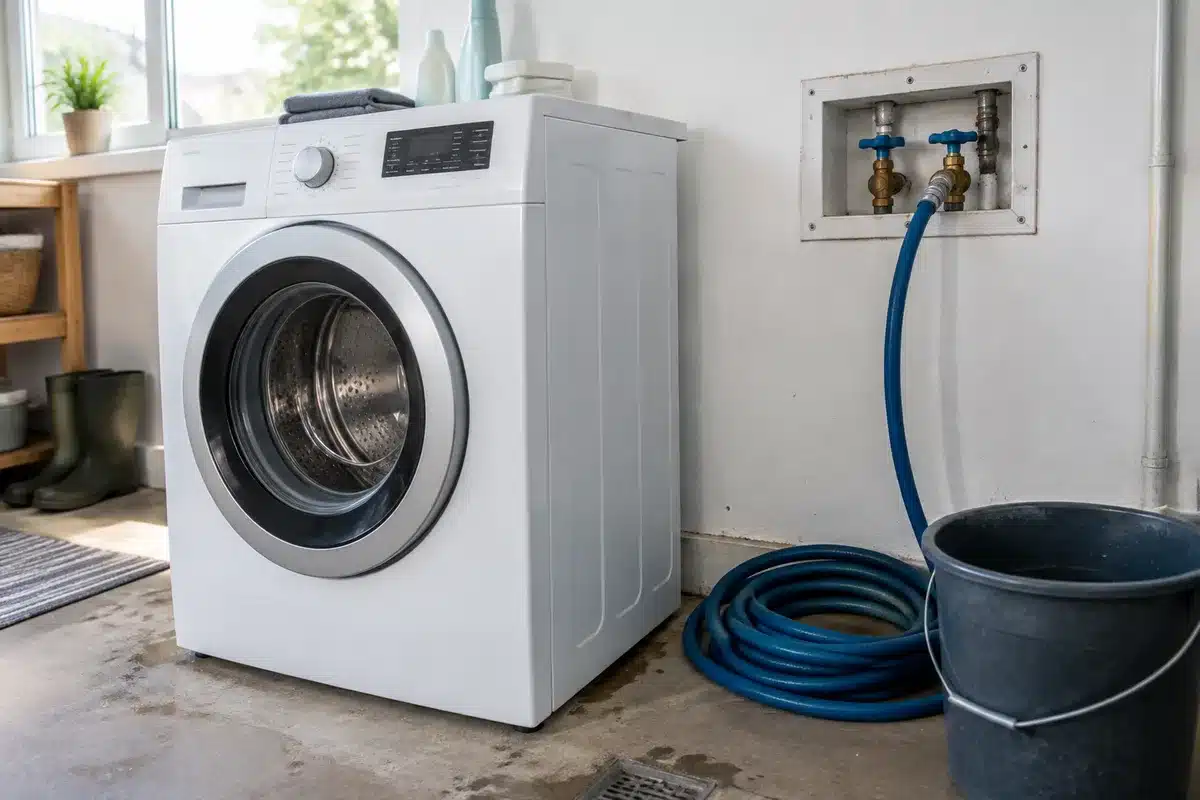
- Use a garden hose or pressure washer to rinse away debris.
- Dry the deck completely; any moisture prevents proper adhesion.
- Apply a small amount of paste wax to a clean cloth or foam pad.
- Rub the wax in thin, even layers across the underside and top of the deck.
- Optionally, coat blade faces and stubborn spots where grass accumulates.
- Let the wax haze, then buff lightly with a dry rag for a smooth finish.
Two thin coats are better than one heavy application. Reapply when you notice grass beginning to cling again.
Simple maintenance tips to keep the wax working
- After each mowing, knock off loose clippings and rinse the deck as needed.
- Avoid abrasive cleaners that could strip the wax.
- If your lawn stays damp, wax more often to maintain repellency.
- Inspect blades and deck for nicks; repair or touch up wax after metalwork.
Wax isn’t permanent. It wears away with time and friction. But it’s an inexpensive step that keeps your mower running cleaner and reduces corrosion risks.
Safety reminders and product cautions
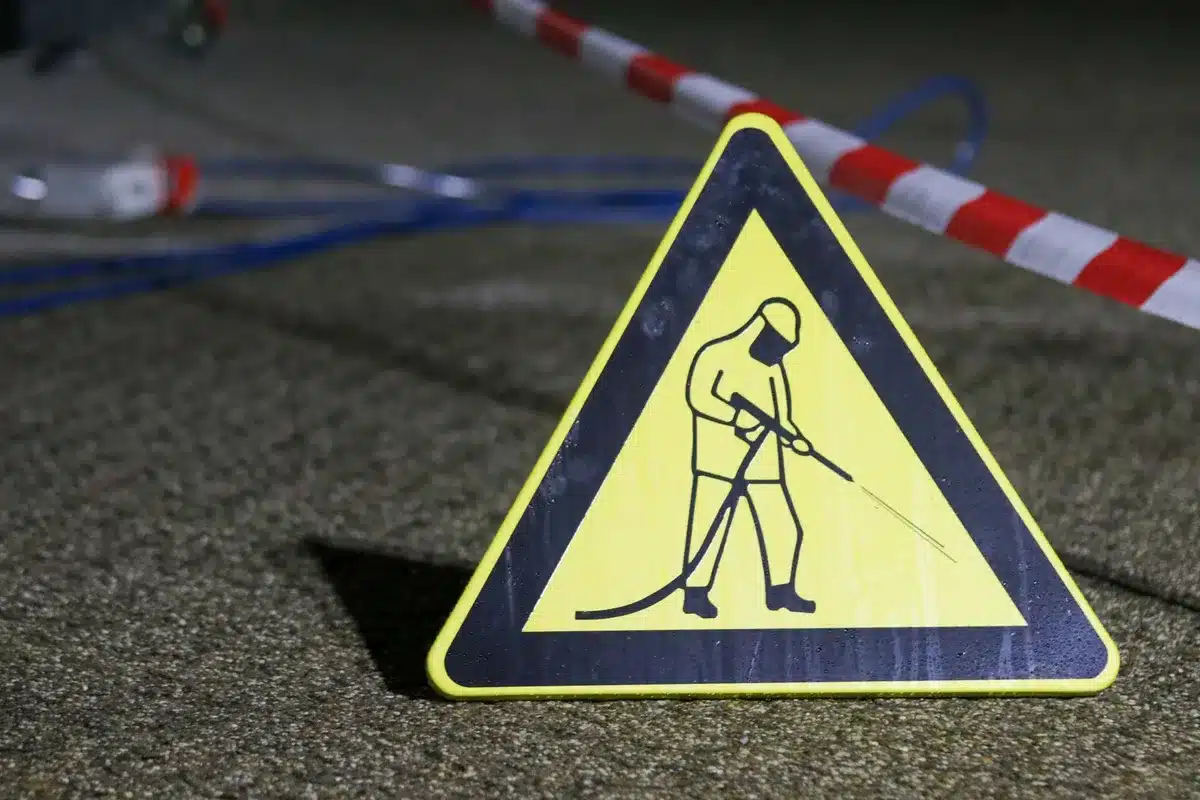
Always work on a cooled engine and remove the ignition source before tilting or servicing a mower. Test any product on a small, hidden area first to ensure compatibility with plastic or painted parts. Avoid silicone-based sprays on belts and pulleys.