Show summary Hide summary
Water rings and cloudy blotches can steal the shine from wooden cabinets overnight. They are common, frustrating, and often fixable without stripping or repainting. With a few kitchen supplies and a bit of elbow grease, many white water marks can be reduced or hidden, restoring the cabinet’s look quickly.
How a simple oil treatment revives white water stains on wood cabinets
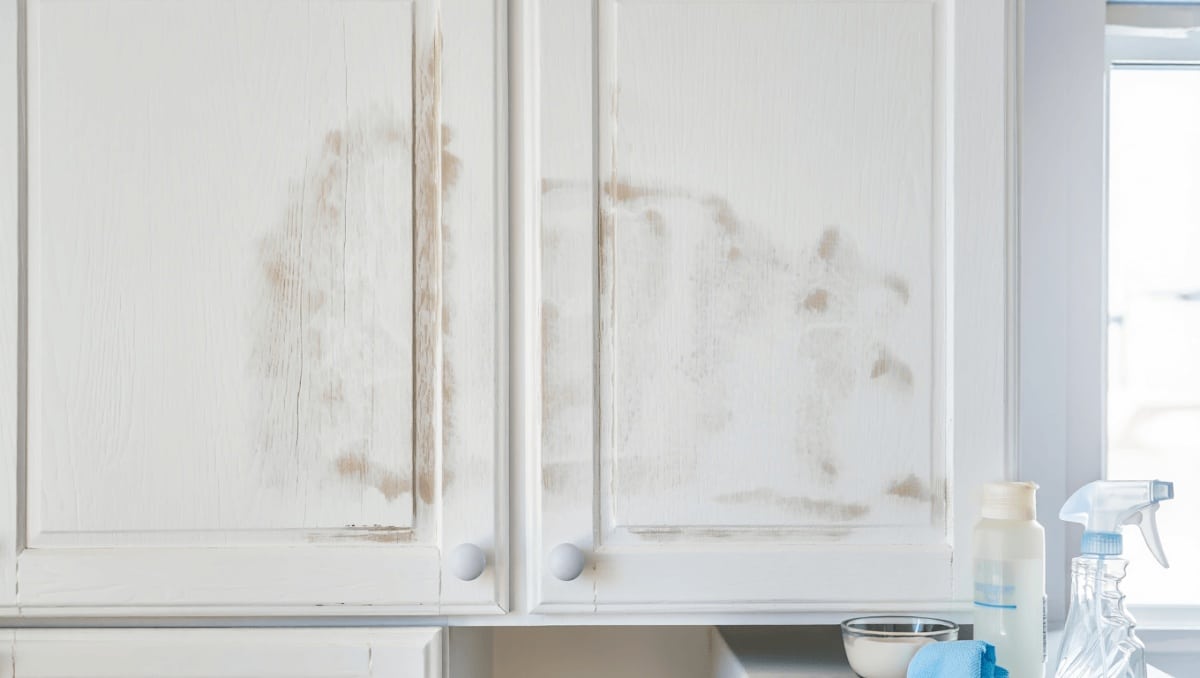
Most pale water marks live in the finish, not the wood. They form when moisture slips into tiny flaws in the protective film that covers the wood. The film then scatters light differently, producing that ghostly white look.
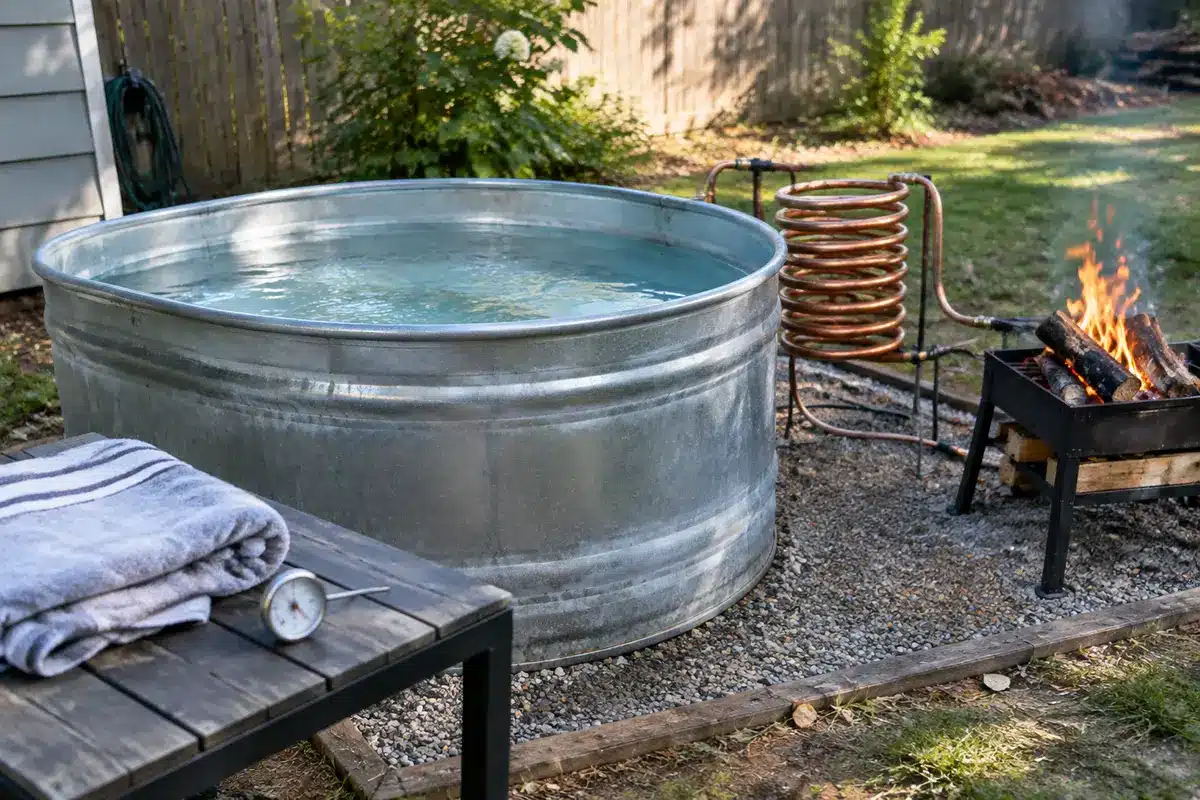
Stock tank hot tub: smart DIYers build an off-grid soaking tub
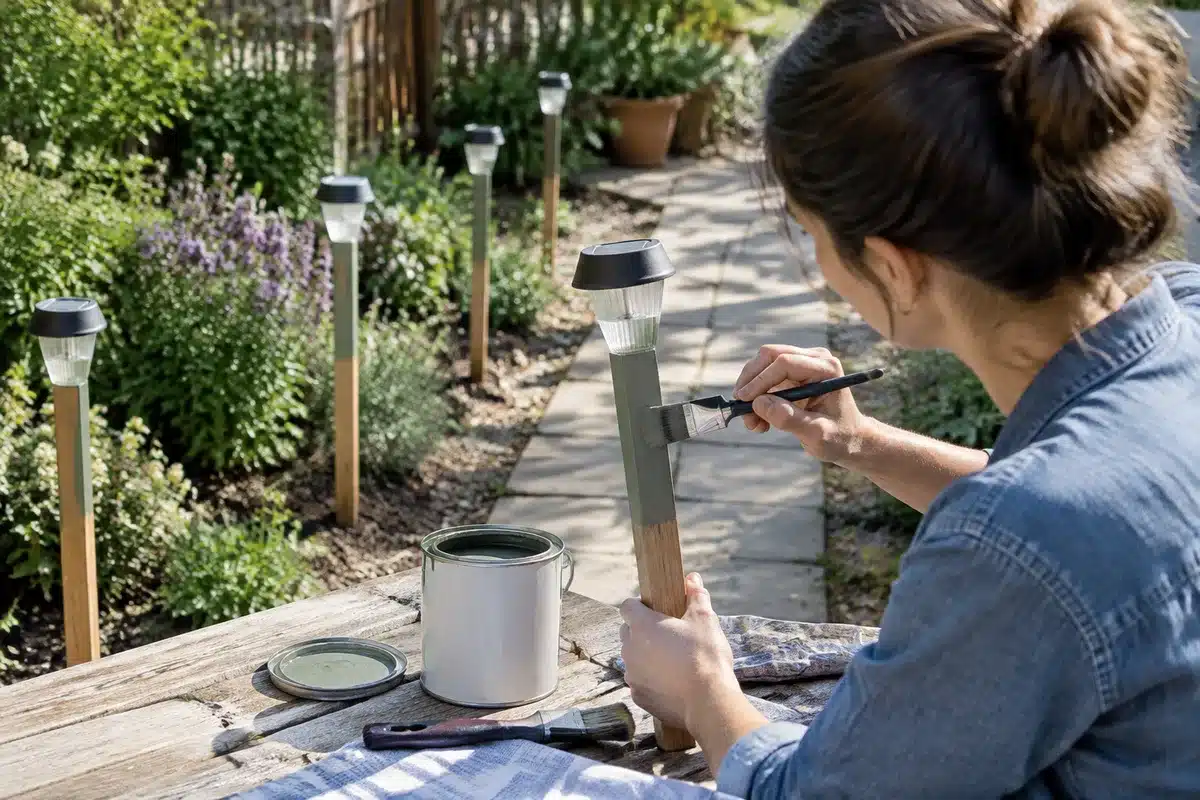
Bookshelf turned into stunning functional flower bed by gardener
Oils such as mineral oil or olive oil can often make those flaws less visible. The oil soaks into the tiny cracks and evens out how light reflects across the finish. This creates a near-instant improvement for many surface stains.
What you’ll need
- Dish soap and warm water
- A soft, lint-free cloth
- Mineral oil or a light cooking oil
- Patience for tougher marks
Quick step-by-step
- Wipe the cabinet with a mild, grease-cutting soap solution.
- Rinse with a damp, soap-free cloth and dry gently.
- Apply a small amount of oil to a soft cloth.
- Rub the oil into the stain with light pressure.
- If needed, let the oil sit 10–20 minutes, then buff again.
If the mark fades, wipe away excess oil and buff the surface. Repeat once if the stain needs more attention. For many cases, this method restores the cabinet without harsh chemicals.
When mayonnaise or other household tricks can help
Some home remedies work because they share the same idea as the oil method. Mayonnaise is one of those tricks. It contains oil and can fill finish defects when left in place.
To try the mayonnaise hack:
- Spread a thin layer of plain mayonnaise over the white mark.
- Cover with plastic or cloth and leave overnight.
- Wipe clean and check results the next day.
Mayonnaise is useful for mild finish blemishes. It may not fully erase deeper damage, but it often reduces visibility. If you see improvement, follow with a light oil or furniture polish to blend the finish.
Why dark water stains are harder to fix
Dark marks are a different problem. They happen when moisture penetrates all the way through the finish into the wood fibers. Minerals in water then react with the wood tannins and cause lasting discoloration.
These stains usually cannot be corrected by topical oils or mayonnaise. The wood itself has changed color. That means surface treatments can’t fully remove the stain.
Repair options for dark stains
- Sanding the affected area to remove discolored fibers.
- Applying wood bleach for certain woods and stains.
- Staining and refinishing the repaired area to match the rest.
- Hiring a pro if the finish or color matching is complex.
Removing dark water stains is more time consuming. It often requires stripping the finish, addressing the wood, and then refinishing. Plan for more work and higher costs than for surface marks.
Practical tips to protect cabinets and prevent future stains
- Wipe up spills immediately to stop water from sitting on the finish.
- Avoid placing damp cloths or wet items on cabinet faces.
- Use coasters or trays under humid items like plants or pitchers.
- Consider a small, regular application of a protective oil or polish.
- Repair small scratches and chips to keep the film intact.
Consistent care extends the life of finishes and reduces the chance of water marks taking hold. When in doubt about a restoration step, test on an inconspicuous spot first.