Show summary Hide summary
A sun-baked or soggy lawn can hide hazards and ruin backyard gatherings. Fortunately, you don’t need expensive equipment to fix shallow depressions. With a long straight wood plank, a sturdy rake, and some common soil, you can lift low spots and create a safer, more attractive yard in a single afternoon.
What creates dips and uneven ground in lawns
Christina Haack reveals chic alternative to subway tile backsplashes
Affordable customizable window covers: ditch traditional curtains
Several forces can leave your grass with hollows and puddles. Heavy foot traffic and machinery press soil particles together, causing soil compaction. That compaction stops roots from growing and makes certain areas sink.
Water movement can also be a culprit. Rain runoff and poor drainage carry fine soil away and deepen hollows over time. In addition, decaying roots and buried organic matter settle and lower the surface.
You can usually spot problem patches by their grass color and texture. Compacted or frequently wet spots often show yellowing, thinning, or overly lush wet grass that looks different from the surrounding lawn.
Simple gear and supplies that do the job
- A long, straight wooden plank for measuring and screeding.
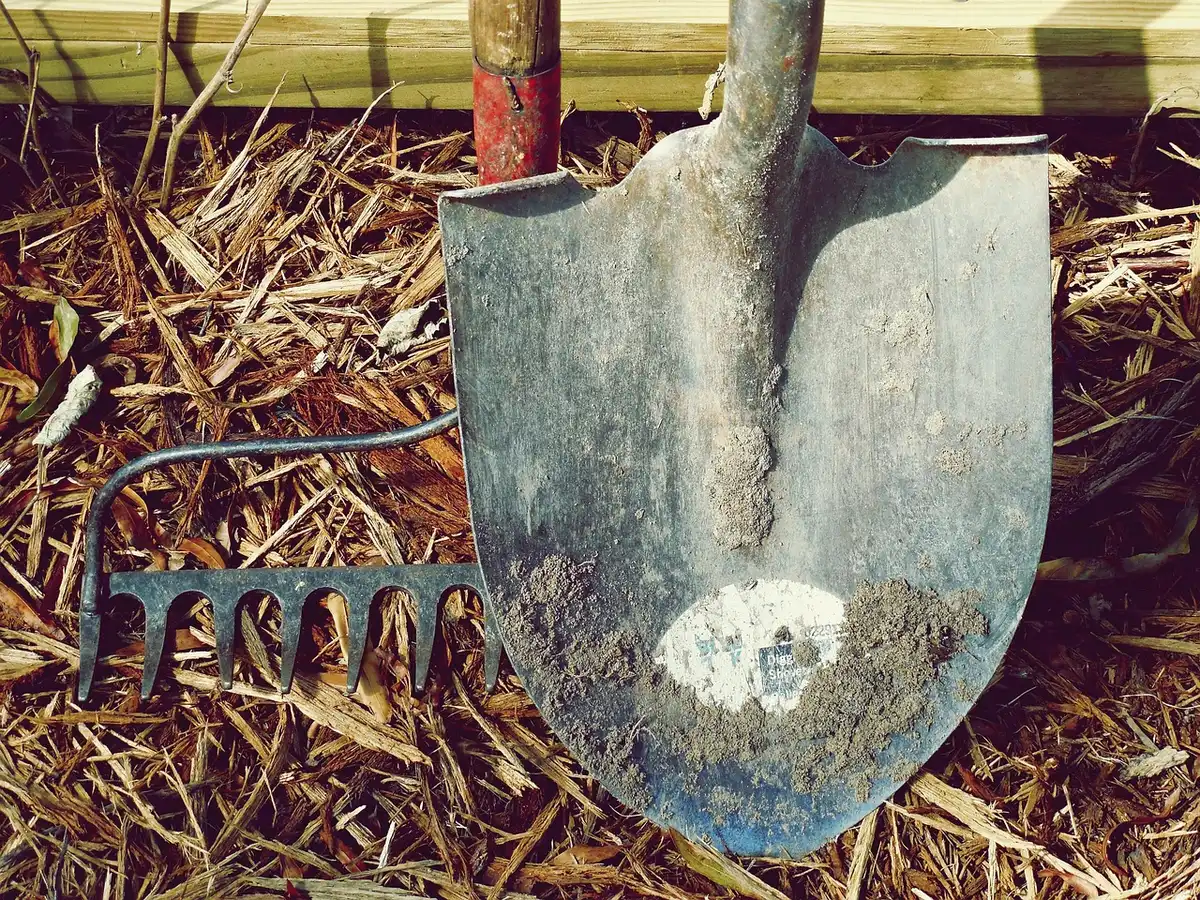
- A garden rake with stiff tines for spreading soil.
- Topsoil or screened fill dirt, depending on the depth.
- Grass seed and starter fertilizer for reseeding.
- Sturdy boots to pack soil by foot or a tamper for denser fills.
Strong, straight wood works best because it doubles as a guide and a lever. A plank that spans the depression makes it easy to check your progress.
How to level low spots step by step
Prepare and assess
Cut the grass short before you start. It is easier to see hollows immediately after mowing. Estimate how deep each low spot is.
Loosen and aerate compacted patches
If the area is hard-packed, you must aerate it first. Use a core aerator or a pitchfork to loosen the soil. This gives added material a surface to bind to.
Build the base and add soil
- Place a first load of topsoil into the depression.
- Use the rake to spread the soil evenly.
- Pack the area by walking over it in boots or with a hand tamper.
- Repeat adding thin layers until the spot is level or slightly proud of the surrounding turf.
For shallow depressions, topsoil alone is fine. For deeper holes, combine coarser fill dirt underneath to create a stable foundation, then finish with topsoil so grass roots can thrive.
Screed and finish with a plank
Lay your straight plank across the low area and drag it back and forth like a screed. This evens the surface and removes small high spots. The plank must touch both edges of the hollow to work properly. Use it as your leveling guide until the soil is uniformly even.
Seed and settle
Broadcast grass seed over the repaired area and apply a thin layer of straw or light compost if needed. Water gently and frequently for the first two weeks to help seed germination. Continue to keep the soil moist until new grass establishes.

Practical tips to boost long-term success
- Don’t overfill—make the repair slightly higher to allow for settling.
- Perform heavy repairs in early fall or spring for best germination.
- Address drainage problems to prevent the same spots from returning.
- Use a mix of topsoil and compost to feed new grass and improve structure.
- Mow lightly on new growth until roots have strengthened.
When a DIY approach isn’t enough
If low areas are extensive, caused by sinkholes, or linked to broken irrigation or drainage tiles, call a landscape or drainage professional. They can diagnose subsurface problems and provide solutions that a plank and rake cannot.