Show summary Hide summary
Old shower curtains hidden in a linen closet can get a second life as durable, water-ready pillow covers for your patio. This simple upcycle adds color, saves money, and keeps plastic out of the landfill while giving outdoor cushions the weather protection they need.
Why shower curtains work well for outdoor throw pillows
Water-resistant patio pillows: turn old shower curtains into covers
Best mulch for bumpy lawn: how to smooth and level around exposed tree roots
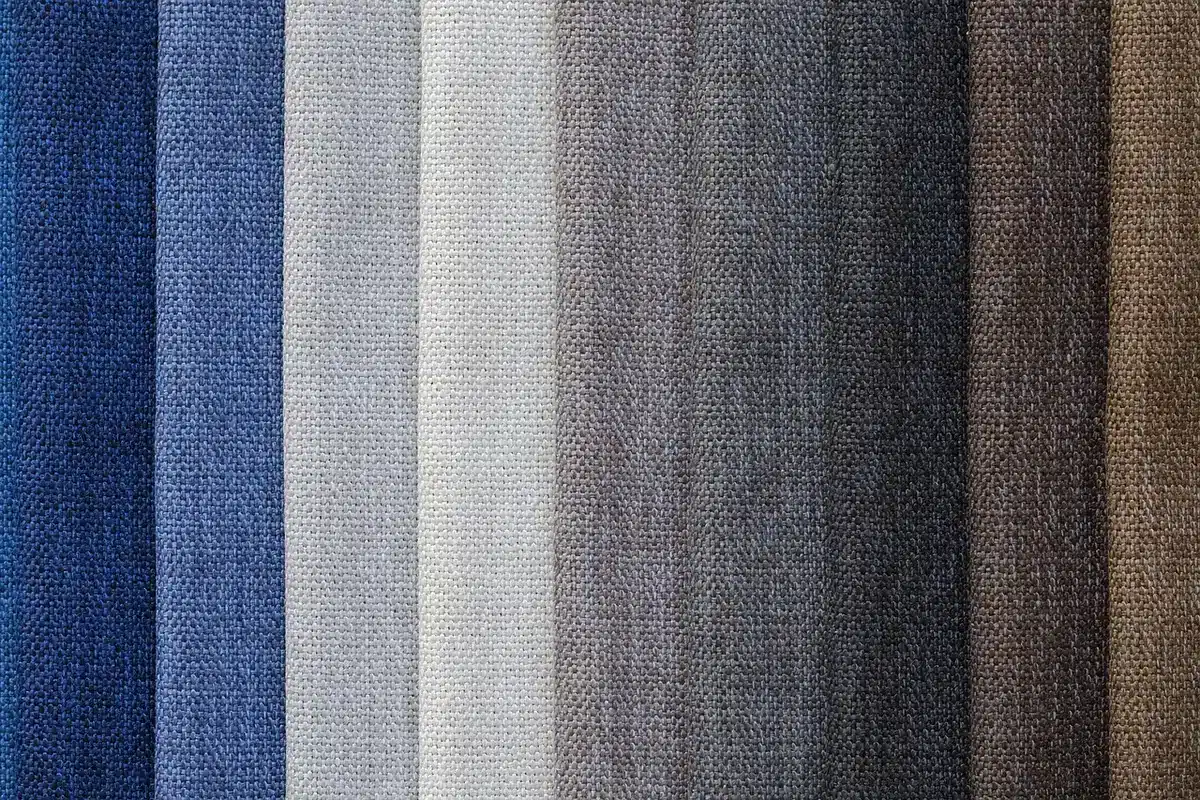
Most shower curtains are made from polyester or PVC vinyl. These fabrics resist moisture and mildew better than ordinary cotton. That makes them a practical choice for cushions that face humidity and light rain.
Key benefits:
- Water resistance: Many liners and decorative curtains repel water.
- Durability: Vinyl and coated polyester stand up to wear and splashes.
- Cost-effective: Repurposing what you already own cuts expenses.
- Eco-friendly: Upcycling delays plastic ending up in landfills.
Tools and materials to gather before you start
Collecting the right supplies makes the project faster and neater. Choose sturdy tools built for heavier fabrics.
Suggested items
- Old shower curtain(s) with a design you like
- Measuring tape and fabric marker
- Heavy-duty scissors or rotary cutter
- Pins or fabric clips
- Sewing machine (or needle and strong thread)
- Iron and ironing board
- Pillow inserts in the sizes you want
- Optional: upholstery or polyester thread, zipper or velcro for closures
- Spray-on UV and water protectant (for added outdoor durability)
Step-by-step guide: make a water-resistant patio pillow cover
Below are clear steps to convert a curtain into a neat, removable cover. Measurements vary by pillow size, so adjust as needed.

- Measure your pillow insert. For a 20-inch square insert, cut one front panel at about 18″ x 18″.
- Cut two backing pieces to create an envelope closure. For a 20″ pillow, try one piece 13″ x 18″ and another 8″ x 18″.
- Whenever possible, use the curtain’s hemmed edge for one side to avoid extra stitching.
- Cut from a corner of the curtain to reduce wasted material and keep prints aligned.
- Press each piece with a warm iron to flatten creases and make pinning easier.
- Pin layers together with right sides facing each other. Leave the envelope overlap open on the back.
- Sew around the perimeter with about a 1/2-inch seam allowance. Trim corners and turn right-side out.
- Insert the pillow and check the fit. Topstitch if you want a crisp edge.
- Treat the finished cover with a UV/water protectant spray to guard color and fabric integrity.
Tip: If you prefer a zip closure, sew a zipper into one side instead of using an envelope back.
Design ideas, maintenance, and longevity
Shower curtains come in countless patterns and textures. Match or contrast your outdoor furniture to refresh the look without buying new fabric.
- Choose bold patterns to hide dirt and fading.
- Use lighter colors for a breezy, coastal vibe.
- Apply a UV protectant every season to slow color loss from sun exposure.
- Spot-clean stains promptly. Hand-washing is gentler than machine washing.
- Store pillows under cover during long wet spells to extend lifespan.
Remember: While shower curtains resist moisture, they can fade in strong sunlight. A protective spray and occasional storage will keep them looking fresh longer.