Show summary Hide summary
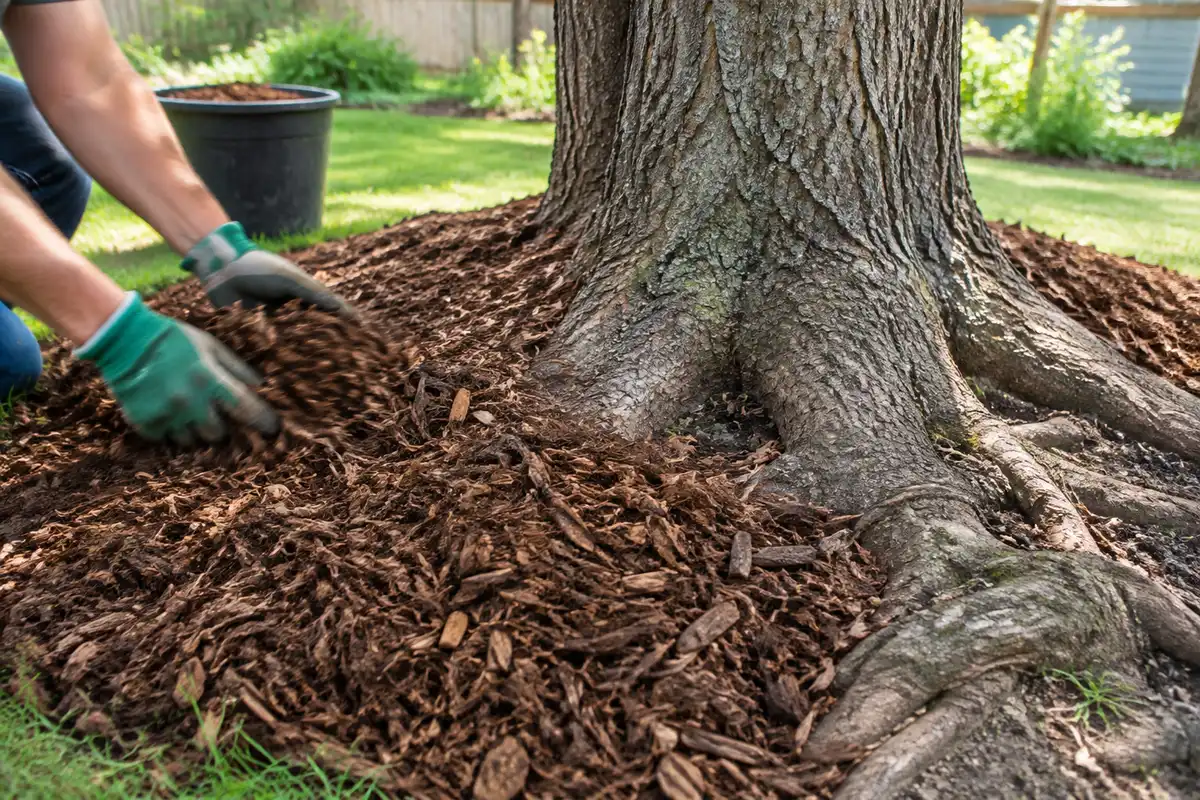
If your yard has raised ridges or uneven patches around trees, the culprit is often the roots pushing up the turf. Those bumps make mowing hard and can cause trips. You also can’t simply cut or bury the roots without risking the tree. A smarter, safer fix is to reshape the area around the trunk with the right mulch so the ground looks level and the tree stays healthy.
Why tree roots make lawns lumpy and what that means for care
Water-resistant patio pillows: turn old shower curtains into covers
Best mulch for bumpy lawn: how to smooth and level around exposed tree roots
Trees send roots close to the surface for oxygen, water, and stability. Over time those roots thicken and the soil heaves. That produces the familiar hump and exposed roots that upset a smooth lawn.
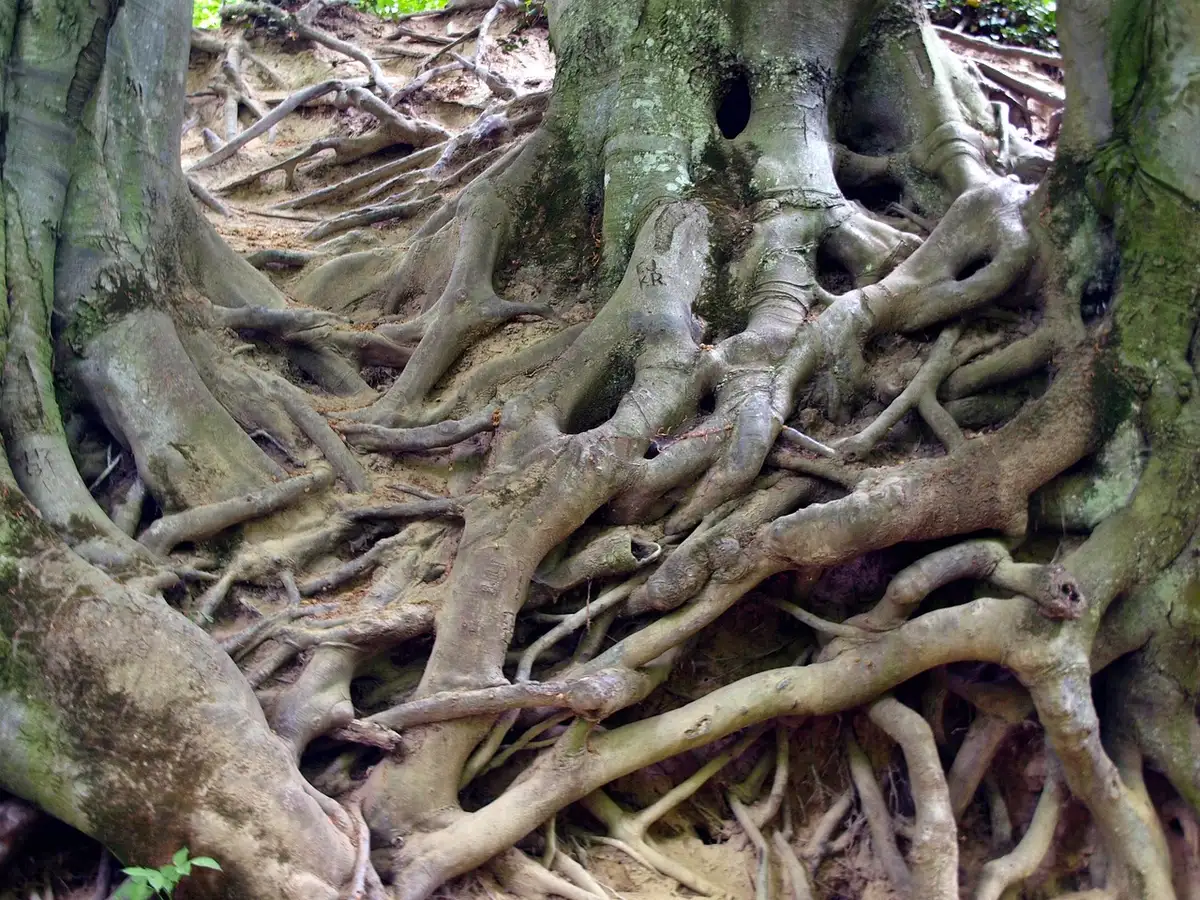
- Exposed roots cause mower damage and create tripping hazards.
- Adding large amounts of soil directly over roots can suffocate them.
- Removing roots to level the yard risks tree health and stability.
Mulching around the tree is a compromise. It conceals bumps, protects roots, and avoids the harm that comes from burying or cutting them.
Selecting the best mulch to smooth and protect root areas
Not all mulches perform the same. Some look neat but block water or compact and harm the root zone. For leveling near roots, prioritize breathability and organic content.
Why hardwood wood chips are often the top choice
Hardwood chips let water and air pass easily. They slowly break down, adding organic matter without needing frequent replacement. That helps soil structure and retains moisture without suffocating roots.
Bagged mulch vs. fresh wood chips from a chipper
- Fresh wood chips: Usually come from tree trimmings and break down at a useful rate. They are loose, so water and oxygen reach the soil.
- Bagged mulch: Convenient but variable. Some bags contain low-grade wood or compacted material that can repel water and compress tightly.
When possible, choose loose hardwood chips from a local arborist or chipper service. If you must buy bagged mulch, check the ingredient list and avoid dark, overly processed mixes that include fillers.
How to apply mulch so it levels the lawn and keeps the tree safe
Applying mulch correctly is as important as choosing the right material. The goal is a smooth surface and healthy roots.
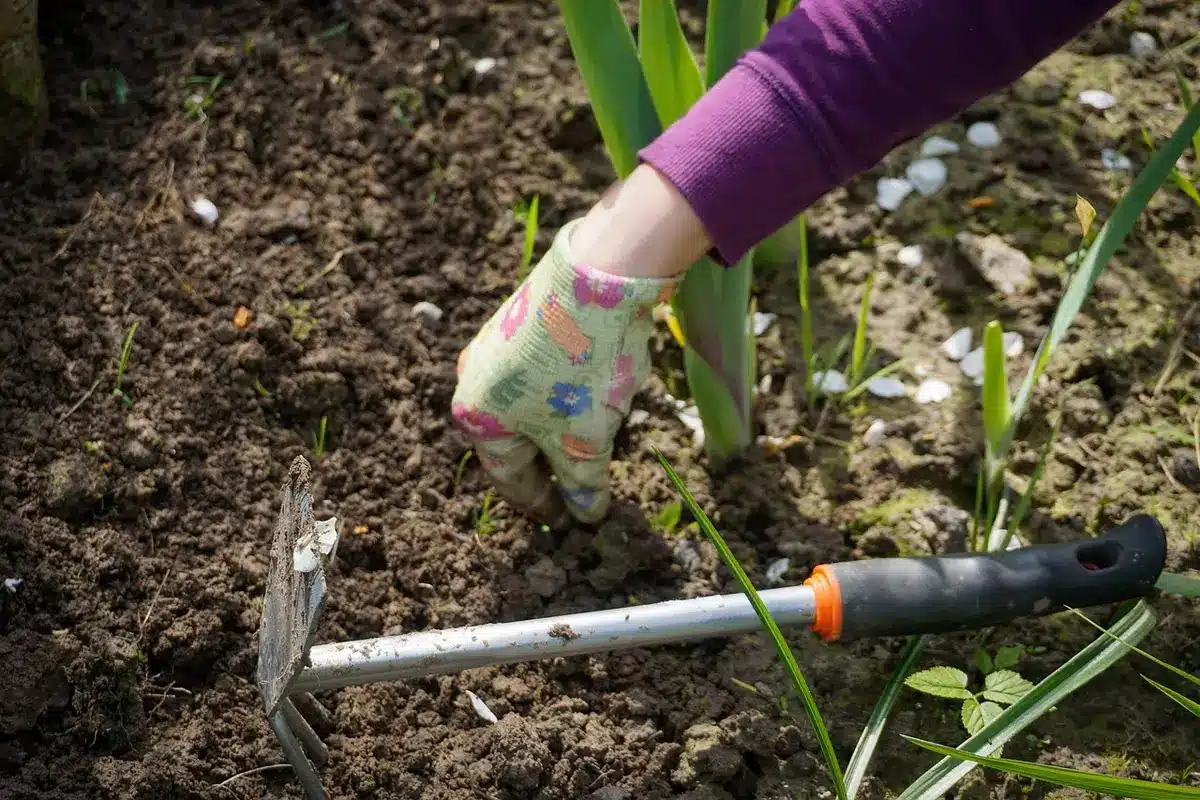
- Clear grass and weeds from the ring to reduce competition for moisture.
- Spread mulch in an even layer, keeping it loose rather than compacted.
- Apply no more than 2 to 3 inches of mulch. Thicker layers can trap moisture and reduce oxygen.
- Leave a small gap—about an inch or two—bare around the trunk to avoid rot and pest problems.
- Extend the ring to at least the tree’s drip line if possible. That covers most shallow roots and creates a uniform bed.
For a more gradual smoothing effect, build the surface up in thin layers over a few seasons. This avoids stressing roots with sudden, heavy covers.
Other solutions when mulch isn’t the right fit
Mulch is ideal for many situations, but not every yard can or should use it. Consider these alternatives if roots are extreme or you prefer living cover.
- Shade-tolerant groundcovers: Plant species that thrive in low light and spread across roots without much soil disturbance.
- Thin topsoil layers: Add 1/2-inch of soil at a time, allowing grass to reestablish between applications.
- Mulch with barriers: In high-traffic areas, combine mulch with stepping stones or a mulch-free path to protect roots and reduce compaction.
Each option carries trade-offs in maintenance and appearance. Match the approach to tree species, root exposure, and how you use the yard.
Practical tips and common mistakes to avoid
- Don’t pile mulch against the trunk. That can invite decay and pests.
- Avoid inorganic choices like rubber or gravel for this purpose; they don’t improve soil or breathe.
- Replenish hardwood chip layers occasionally, but don’t overdo it.
- Contact local extension services or an arborist for large or sensitive trees before major changes.