Show summary Hide summary
- Why wood chip mulch can be a hazard next to foundations
- Why gravel or stone is often a smarter choice around foundations
- Recommended clearances and layer thickness for safety
- Step-by-step: Installing gravel near your house the right way
- Maintenance tips and pest monitoring to protect your investment
- When to consult a pro and other design considerations
Homeowners often reach for a fresh layer of wood chips to tidy up beds and soften the line where landscaping meets the house. It looks clean and natural, but when mulch sits against a foundation, what seems attractive can quietly invite moisture and pests. Choosing the right material near your home’s base can protect both structure and landscape.
Why wood chip mulch can be a hazard next to foundations
Water-resistant patio pillows: turn old shower curtains into covers
Best mulch for bumpy lawn: how to smooth and level around exposed tree roots
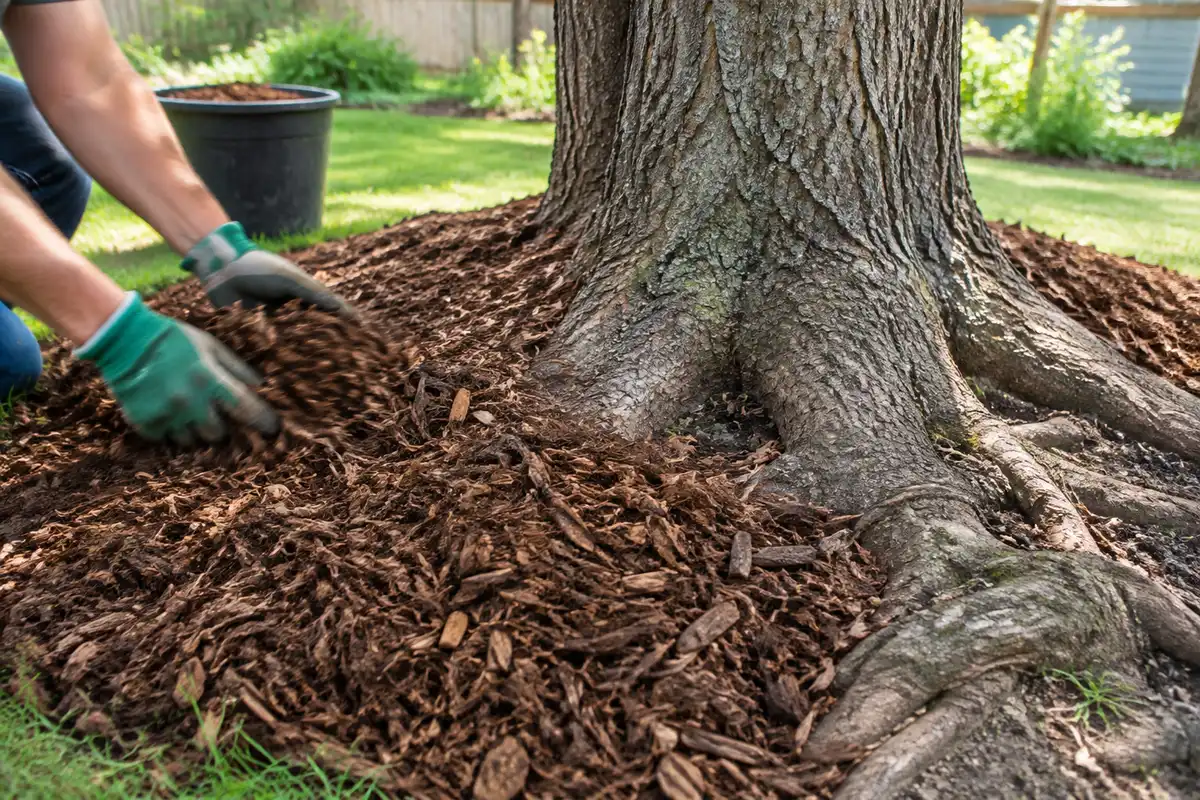
Wood-based mulches decompose, hold moisture, and create warm hiding spots. These conditions are exactly what termites and other wood-eating pests prefer. While research is mixed on whether mulch draws termites from afar, experts agree it can increase activity where colonies already exist. The risk rises when organic mulch touches siding, brick, or foundation walls.
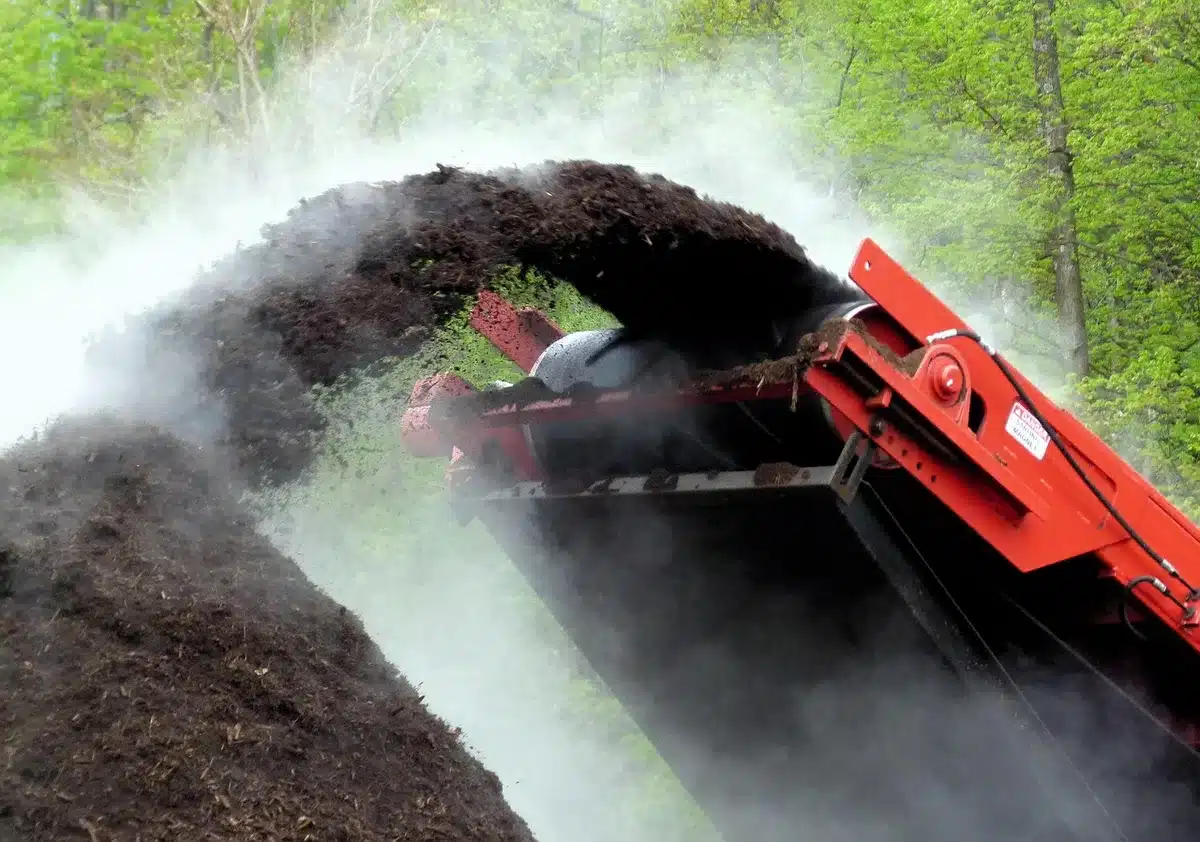
Keeping organic mulch away from the home reduces the chance that pests will move from the yard to the structure. In addition, damp mulch can trap water next to your foundation and weaken the soil over time. That makes both termite infestations and moisture-related damage more likely.
Why gravel or stone is often a smarter choice around foundations
Nonorganic groundcovers such as gravel or decorative stone do not feed insects and allow water to pass through easier than wood. They also last far longer and need less frequent topping up. These qualities make them a practical buffer between planted beds and your foundation.
- Better drainage: Rock allows rain to move away from the foundation faster.
- Lower pest appeal: Stone is not a food source for termites or carpenter ants.
- Durability: Gravel seldom decomposes and can remain effective for years.
Recommended clearances and layer thickness for safety
Several building and extension resources advise keeping organic mulch several feet from the foundation. A rock strip can replace that zone, creating a safer perimeter. For homeowners thinking about depth, rock typically needs much less material than wood chips.
- Apply wood mulch 2–4 inches thick for planting beds, but avoid placing it against foundation walls.
- For gravel or stone, a 1-inch cover often suffices to prevent soil erosion and weed growth.
- Consider a 2-foot-wide or wider inorganic band adjacent to the house for the best protection.
Step-by-step: Installing gravel near your house the right way
Switching to rock is straightforward when you follow a few key steps. Proper prep prevents the rocks from sinking and keeps water from pooling.

Tools and materials you’ll need
- Gravel or decorative stone (1-inch depth recommended)
- Landscape fabric or weed barrier
- Landscape staples
- Shovel, rake, and wheelbarrow
- Optional: trenching tool and coarser base rock
Installation steps
- Clear vegetation and remove existing organic mulch within the planned strip.
- Dig a shallow trench that gently slopes away from the foundation.
- Lay landscape fabric to separate soil and stone and secure it with staples.
- Spread gravel to an even 1-inch layer, or add a slightly thicker base if settling is a concern.
- Check the slope so runoff moves away from the home.
Proper drainage is critical. A sloped trench paired with rock and fabric helps channel water away and prevents it from pooling against foundation walls.
Maintenance tips and pest monitoring to protect your investment
Rock doesn’t remove the need to watch for trouble. Gravel can still provide shelter for small pests, and debris may accumulate over time. Regular checks keep problems small and manageable.
- Inspect the rock strip every season for leaves, mulch, or soil buildup.
- Remove organic debris promptly so it doesn’t create a new habitat.
- Look for signs of termite activity: mud tubes, discarded wings, or damaged wood around the foundation.
- If you spot swarms or other signs, contact a licensed pest control professional right away.
When to consult a pro and other design considerations
If your property has a history of termite activity, persistent drainage issues, or a complex grade, bring in a pro. Contractors, landscapers, and pest experts can evaluate soil, slope, and existing plantings to recommend the right materials and widths for your situation.
Also think about curb appeal. Natural stone, pea gravel, or decorative rock come in many colors and sizes. You can create an attractive transition that protects your home while complementing your landscape design.