Show summary Hide summary
- What makes the Specialist Contact Cleaner different from classic WD-40
- Computer keyboards and consumer electronics: why you shouldn’t spray freely
- Silicone seals and gaskets: solvents that make rubber fail
- Flammability and hot components: a real safety hazard
- How to choose the right WD-40 Specialist product for the job
- Practical cleaning routine for delicate electronics and seals
WD-40 is a household name, but not every product under its badge is interchangeable. The WD-40 Specialist Contact Cleaner is a solvent-packed spray meant for electronics, yet it can harm certain materials and create hazards if misused. Knowing what to avoid will protect your devices and keep you safe.
What makes the Specialist Contact Cleaner different from classic WD-40
WD-40 contact cleaner: 3 things you should never spray it on
IKEA $3.99 shower organizer solves clutter: tidy your shower for under $4
Many people assume all WD-40 cans behave the same. They do not. The Specialist Contact Cleaner is a solvent-based aerosol designed to remove dirt, oil, and oxidation from electrical parts. It evaporates quickly and leaves no oily film. That trait helps electronics, but it also changes how and where you should use it.
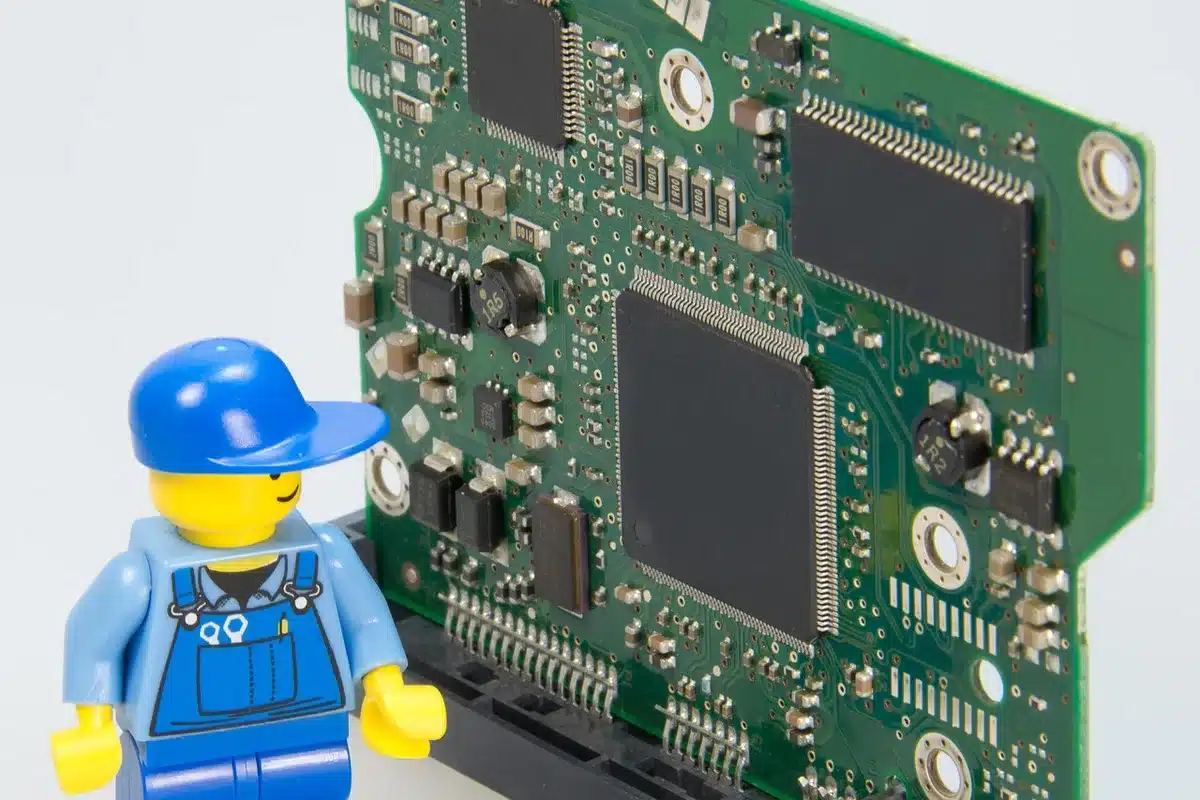
- Formulation matters: this spray includes hydrocarbons like heptane.
- Evaporation is fast: good for contacts but risky around heat.
- Not a lubricant: unlike multi-purpose WD-40, it won’t protect moving parts.
Computer keyboards and consumer electronics: why you shouldn’t spray freely
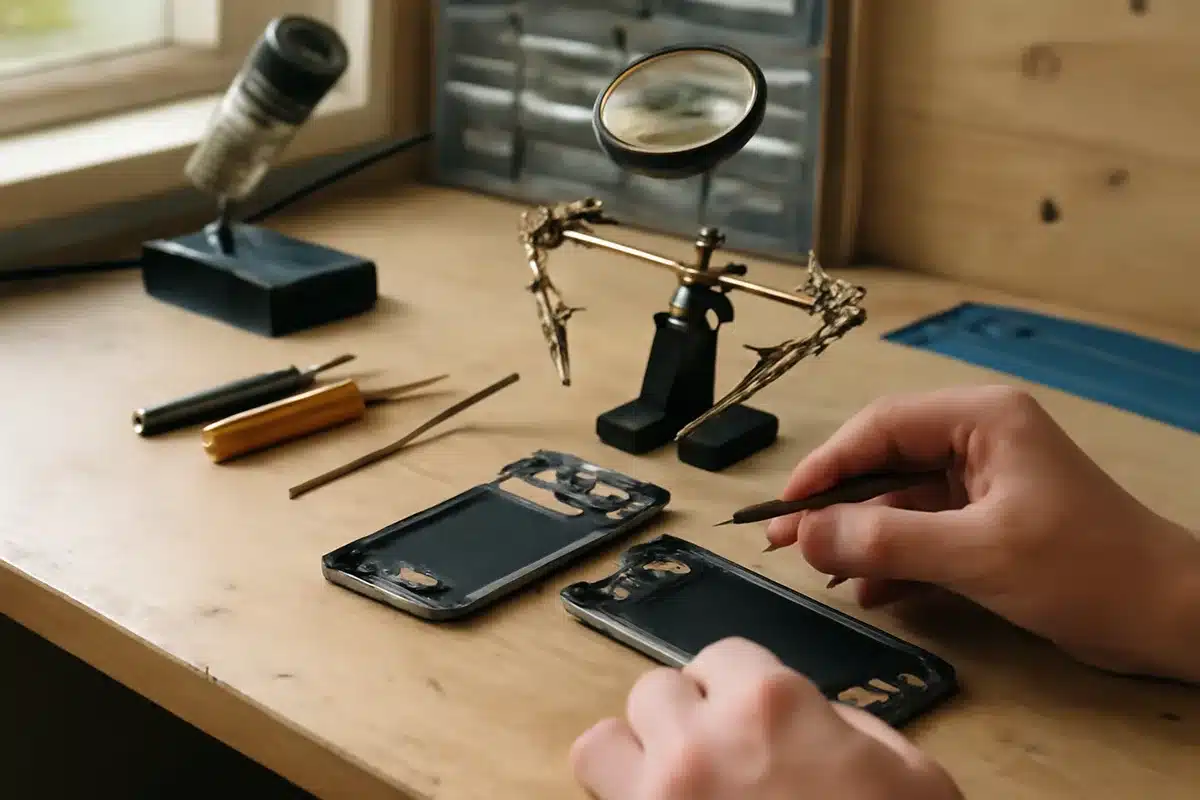
Keyboards collect dust, crumbs, and grime. That makes them tempting targets for a powerful cleaner. But many keyboards contain plastics, adhesives, and delicate switches that do not tolerate strong solvents.
The Contact Cleaner can weaken some plastics and dissolve the adhesives used in modern devices. That can lead to stiff keys, cracked keycaps, or weakened mounting points.
Safer cleaning steps for keyboards and similar gear:
- Unplug or power down the device before cleaning.
- Use compressed air and a soft brush to dislodge debris.
- Wipe keys with a cloth lightly dampened with 70% isopropyl alcohol.
- Test any solvent on a hidden area first.
Tip: even isopropyl alcohol can damage certain plastics in high concentrations. Use sparingly.
Silicone seals and gaskets: solvents that make rubber fail
Silicone is prized for flexibility and chemical resistance. Still, not all cleaners are safe. Non-polar solvents in Contact Cleaner, such as heptane, can attack silicone polymers.
Exposure can make silicone swell, soften, or lose elasticity. Over time, a gasket that once sealed a window or appliance may become brittle or deformed.
What to use instead:
- Warm water and mild detergent for routine cleaning.
- A silicone-safe spray designed for rubber parts when needed.
- Products labeled for use on rubber and silicone for repairs or maintenance.
Manufacturer guidance matters. If a device’s manual advises against solvents, follow it to preserve seals and warranty coverage.
Flammability and hot components: a real safety hazard
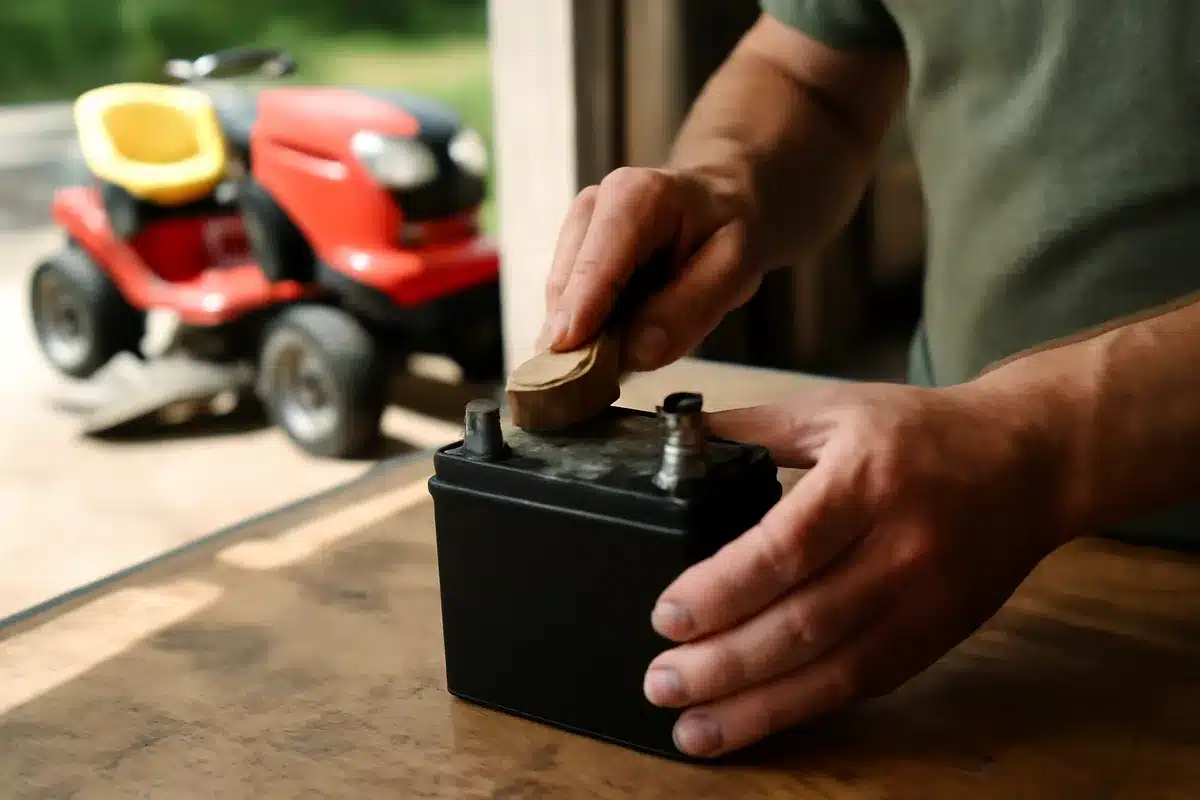
The Specialist Contact Cleaner is an aerosol with a significant flammable fraction. WD-40 identifies it as a product that must be kept away from heat sources.
Spraying on or near hot electrical parts, batteries, or live circuits can spark fires. Even if ignition does not occur, residual solvent vapors can form flammable mixtures until fully evaporated.
Basic safety rules to follow:
- Always disconnect power before spraying electronics.
- Allow components to cool to ambient temperature.
- Work in a well-ventilated area to disperse vapors.
- Keep the can away from open flames, heaters, and pilot lights.
- Store cans below recommended temperatures, and out of direct sunlight.
Warning: do not use Contact Cleaner on energized circuits or near welding, grinding, or any process that generates sparks.
How to choose the right WD-40 Specialist product for the job
WD-40’s Specialist line includes several targeted formulas. Choosing the correct product reduces the chance of damage.
- Specialist Contact Cleaner — for electrical contacts that tolerate solvents.
- Specialist Electrical Parts Cleaner — similar naming; read labels to confirm suitability.
- Specialist Silicone — safe for silicone and rubber parts.
Labels and color-coding on cans help differentiate products. When in doubt, check the technical data sheet or the manufacturer’s compatibility chart.
Practical cleaning routine for delicate electronics and seals
A cautious approach preserves function and extends lifespan. Follow these steps for most small electronics and seals:
- Power down and unplug the device.
- Remove loose debris with compressed air or a soft brush.
- Spot-clean with a solvent safe for the material.
- Allow full evaporation before reassembly and powering up.
- Dispose of used cloths and store products in a ventilated, cool place.
Remember: a quick spray isn’t always the best choice. Matching cleaner to surface is the smarter route.